
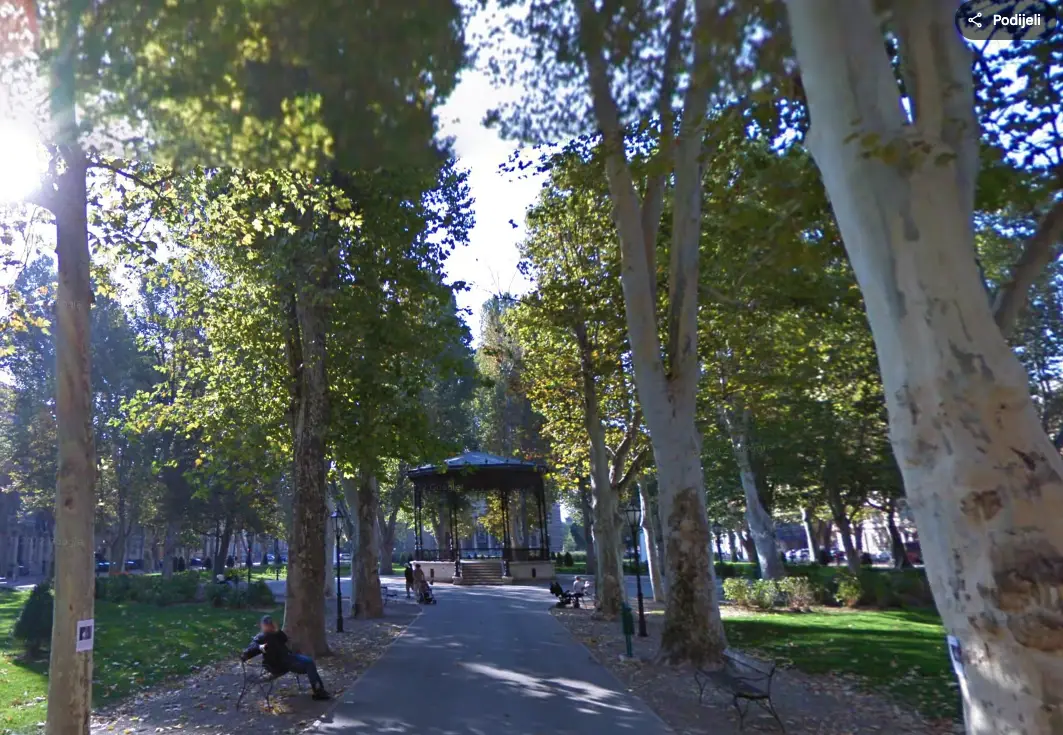
"Zagreb zauzima jedinstvenu i strateški izuzetno povoljnu poziciju na južnim padinama Medvednice i obalama rijeke Save, smjestivši se točno na prijelazu iz Panonske nizine prema planinskom zaleđu i Jadranskom moru. Geografski i geopolitički gledano, glavni grad Hrvatske predstavlja prirodno sjecište najvažnijih europskih prometnih i kulturoloških koridora."
Geographical Location and the Crossroads of Central Europe
Zagreb occupies a unique and strategically advantageous position on the southern slopes of Mount Medvednica and the banks of the Sava River, settling right at the transition from the Pannonian Basin toward the mountain hinterland and the Adriatic Sea. Geographically and geopolitically speaking, the capital of Croatia represents a natural intersection of the most important European transportation and cultural corridors.
The proximity of key European capitals and neighboring countries makes it a perfect starting point or an unmissable destination for the modern traveler. It is located just a one-hour drive from the Slovenian border and the capital city of Ljubljana, while the route heading north toward Austria and Hungary is open via fast highways and railway lines that bring Vienna and Budapest within just a few hours of comfortable driving. On the other hand, thanks to a modern highway network, travelers from Zagreb can reach the Adriatic Sea and the sunny coast of Kvarner or northern Dalmatia in about an hour and a half to two hours by car. This incredible connectivity allows visitors to experience an alpine atmosphere, Central European urban culture, and the Mediterranean charm of the Adriatic coast all in the same weekend.
Architectural Symphony: The Viennese School and Distinctive Low-Rise Construction
Zagreb’s visual landscape testifies to its deep Central European identity, largely thanks to the influence of the renowned Viennese school of architecture and urban planning from the late 19th and early 20th centuries. The urban development of the Lower Town was modeled after the most prestigious capitals of the Austro-Hungarian Empire, notably featuring the famous Green Horseshoe (Lenuci's Horseshoe)—a unique layout of public squares and parks in the shape of a "U" that connects the botanical garden, museums, theaters, and administrative palaces into a harmonious whole of neoclassical, historicist, and secessionist architecture. Buildings such as the Art Pavilion, the Croatian National Theatre, and the Vranyczany Palace bear witness to a golden age of construction when masters like Hermann Bollé and Viktor Kovačić shaped the face of the city.
What makes Zagreb special and visually appealing compared to megalopolises racing to build cold skyscrapers is the fact that about 90% of the city is built in a low-rise format. Zagreb is a city scaled for humans; it is dominated by family homes with gardens, picturesque three- to four-story residential buildings, and preserved historical cores in neighborhoods such as Maksimir, Trešnjevka, Šalata, and Črnomerec. The absence of aggressive concrete skyscrapers in the wider center allows natural light to flow freely, provides an unobstructed view of the green slopes of Medvednica from almost every city street, and creates a sense of intimacy, warmth, and security rarely found in modern European metropolises.
Prehistoric Roots, the Middle Ages, and Urban Layers of History
Although today's modern appearance of the city relies heavily on the 19th and 20th centuries, Zagreb’s historical roots go much deeper into the past, confirming a continuous human presence in these areas dating back to Roman times (ancient Andautonia in present-day Ščitarjevo). The medieval core of the city developed through a fascinating dynamic of coexistence between two neighboring, often rival settlements on the hills above the Sava River: the clerical Kaptol and the secular, free royal city of the Upper Town (Gradec).
Gradec: Founded by the Golden Bull of the Hungarian-Croatian King Bela IV in 1242, Gradec has retained its medieval layout with stone towers (such as the famous Lotrščak Tower, from which the Griç Cannon fires every day at noon), old city gates (the Stone Gate with the painting of the Mother of God, which miraculously survived the great fire of 1731), and winding streets that still echo with tales of old craftsmen, nobles, and alchemists.
Kaptol: Developed around the impressive Cathedral of the Assumption of the Blessed Virgin Mary with its recognizable neo-Gothic spires, Kaptol was for centuries the spiritual center of northern Croatia. Monumental ramparts surrounding Kaptol bear witness to turbulent times of defense against Ottoman incursions.
A walk through the Upper Town (Upper Town promenades, Strossmayer Promenade) provides a unique journey through time past baroque palaces and old gas lamps that are still manually lit every evening by Zagreb’s lamplighter, alongside world-class museums such as the Museum of Broken Relationships or the Museum of Naïve Art.
A City of Parks, Forests, and Environmental Awareness
The title of "green oasis" is not merely a metaphor, but a real ecological and visual reality in Zagreb. The city abounds in meticulously maintained parks, green spaces, forests, and tree-lined avenues that make up more than a quarter of the total urban area.
Maksimir Park: Founded back in 1794 on the initiative of Bishop Maksimiljan Vrhovac, Maksimir was the first public park in southeastern Europe. Conceived in the English landscape style with spacious lawns, centuries-old pedunculate oaks, picturesque lakes, and pavilions (such as the famous Belvedere and the Swiss House), Maksimir represents a true wild oasis inhabited by numerous protected bird and plant species, and it also houses the Zagreb Zoo.
Bundek and Jarun: Two beloved Zagreb lakes offer recreation, promenades, landscaped beaches, and sports facilities. Jarun is the center of water sports and nightlife, while Bundek is a quieter green zone ideal for family picnics, walks, and open-air concerts.
Medvednica (Nature Park): The mountain rising directly above the northern edge of the city functions as a giant natural lung system for Zagreb. With its peaks (Sljeme at an altitude of 1,033 meters), mountain lodges, the medieval fortified town of Medvedgrad, and Veternica Cave, the citizens of Zagreb have a ski resort, hiking trails, and pure nature just twenty minutes away by car or via the modern cable car from the city center.
Thanks to systematic management of its green spaces, Zagreb is regularly ranked among the most pleasant European cities to live in, harmoniously blending urban comfort with untouched nature.
Top-Tier Infrastructure, Cleanliness, and Flawless Accessibility
For visitors arriving from more congested European metropolises, Zagreb offers immediate relief thanks to its exemplary cleanliness, high level of municipal order, and exceptional safety. Streets, squares, and parks are regularly maintained, and a low crime rate makes the city completely safe for walking at any time of day or night.
A special place in the city's operation is held by public transit, managed by the Zagreb Electric Tram (ZET). The recognizable blue trams form the backbone of an efficient, reliable, and eco-friendly network covering every corner of the city, from the far eastern and western neighborhoods to the historic center itself. The tram network is complemented by a dense bus network and a modern cable car connecting the city foothills to the peak of Medvednica. Ticket prices are affordable, timetables are respected, and a ride on a blue tram through the secessionist streets of the Lower Town is an authentic tourist experience in itself.
The city's accessibility is further underscored by the fact that the center of Zagreb is almost entirely pedestrian-friendly. The pedestrian zone encompassing Ban Jelačić Square, Ilica, Flower Square (Petar Preradović Square), Tkalčićeva Street, and surrounding alleys allows for relaxed exploration of cultural landmarks, cafes, and restaurants free from the stress and noise of cars.
Culture, Festivals, and a Dynamic Rhythm of Life
Zagreb’s cultural life is exceptionally rich, diverse, and active year-round, far exceeding the boundaries of a regional center. The city boasts dozens of professional theaters (the central Croatian National Theatre, Teatar &TD, Gavella, Komedija, ZKM), top-tier museums and galleries (Museum of Contemporary Art, Archaeological Museum, Klovići Dvori), and concert halls such as the Vatroslav Lisinski Concert Hall.
Zagreb is also known for its innovative open-air festivals that transform urban spaces into artistic stages:
Advent in Zagreb: Multiple times awarded as the best Christmas market in Europe, Advent brings a magical atmosphere, the scents of mulled wine, fritters, and cinnamon, ice skating rinks at King Tomislav Square, and festive light installations that warm the heart of winter in Europe.
Cest Is D'Best: The oldest street festival in Croatia, filling city squares with clowns, musicians, acrobats, and visual artists.
Animafest Zagreb: A world-renowned animated film festival that brings authors and animators from the global scene to the metropolis.
INmusic Festival: The largest international open-air music festival in Croatia, located on the idyllic Youth Island of Jarun, regularly hosting the world's biggest music names.
The culinary scene gives Zagreb a special dimension. A blend of traditional Zagreb and continental cuisine (štrukli, turkey with mlinci, Zagreb steak, pumpkin seed oil) with modern fusion restaurants, craft breweries, and an increasingly recognized wine scene (along with indispensable indigenous Zagorje and Prigorje wine varieties) will satisfy even the most refined gastronomic tastes.
Your Next Unmissable Destination
Zagreb offers a rare balance between a dynamic European hub and a relaxed, warm, green oasis. Its perfect transit location at the gateway to the Adriatic and Central Europe, rich history enhanced by the legacy of the Viennese school, low-rise architecture that preserves a human scale, exemplary environmental standards, cleanliness, and top-tier public transit make it a destination that enchants every visitor. Whether you are looking for a weekend getaway in nature, cultural enrichment, a romantic walk through the picturesque streets of the Upper Town, or top-notch gastronomy, Zagreb welcomes you with open arms—authentic, green, hospitable, and unforgettable.
Written by
CroatiaBest
Explore Rijeka
Rijeka is Croatia's largest port and third-largest city, recognizable by its industrial heritage and open-minded spirit. Its historical architecture exudes a strong Central European influence, and the...
You might also be interested in

Croatia Worth Visiting: Historical, Natural, and Social Wonders of Europe’s Top Destination
When mentioning a country that combines a thousand-year history, incredible natural diversity, and a unique social lifestyle within a relatively small geographic space, Croatia rightfully stands at the very top of world tourism and transit maps. Located at the crossroads of Central Europe, the Mediterranean, and Southeast Europe, this country has been built over centuries as a bridge between different civilizations, cultures, and trade routes. Whether you are a passionate explorer of ancient ruins, a lover of untouched nature, a foodie in search of authentic flavors, or a traveler wanting to feel the relaxed Mediterranean spirit, Croatia offers an experience that goes beyond conventional tourism.

7 Attempts to Conquer and Subjugate Dubrovnik: From Medieval Wars to Great Serbian Aggression
Subscribe
The best stories about Croatia straight to your inbox every Sunday.