
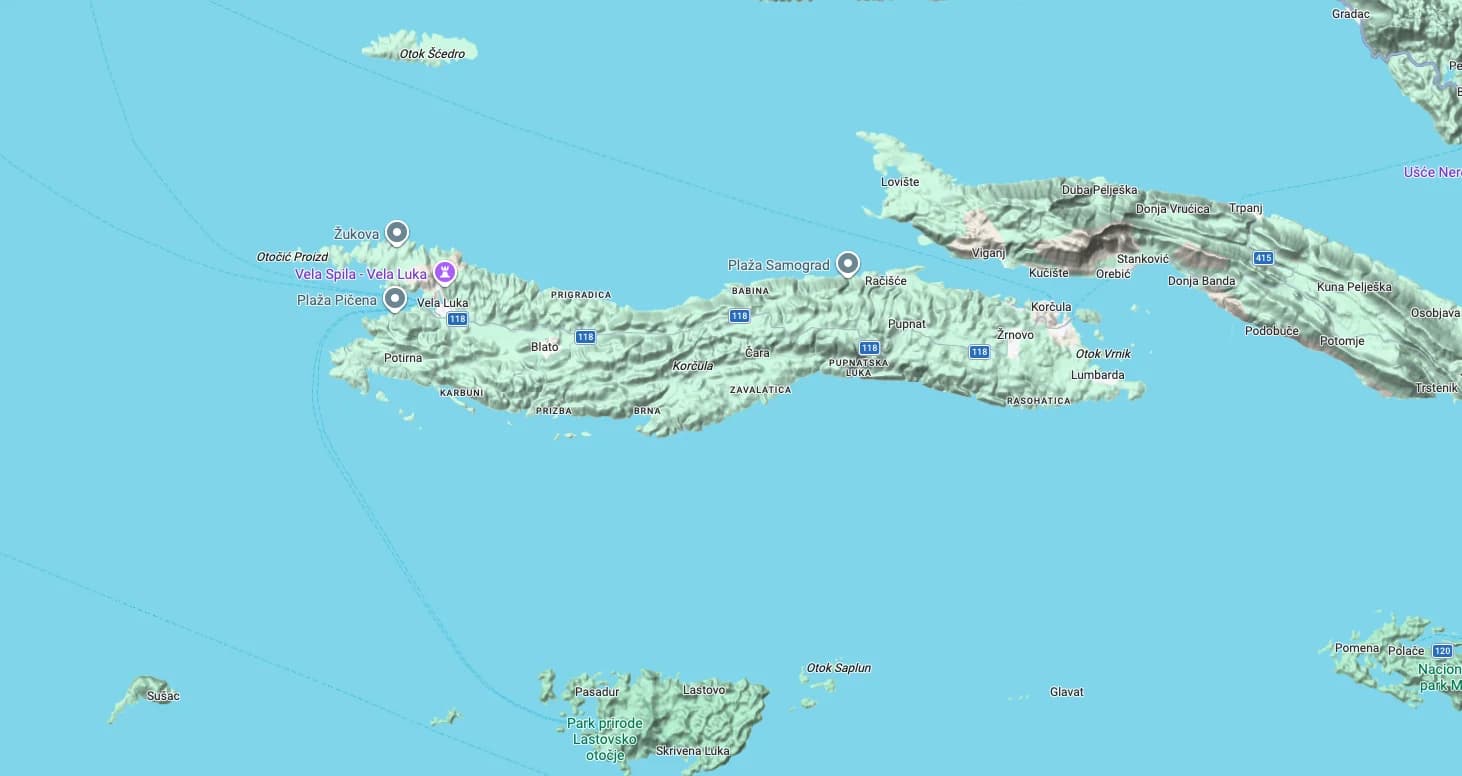
"Nestled in the heart of southern Dalmatia, bordered by the crystalline turquoise waters of the Adriatic Sea and blanketed in centuries-old pine forests, Korčula rightfully holds the title of one of the most enchanting, lush, and culturally storied islands in the entire Mediterranean basin. Ancient Greek colonists christened it Korkyra Melaina (Black Korčula) in homage to the dense canopies of Aleppo pine and evergreen holm oak that cast deep shadows over its jagged coastline. That noble, enigmatic aura endures to this day across every corner of the island."
Nestled in the heart of southern Dalmatia, bordered by the crystalline turquoise waters of the Adriatic Sea and blanketed in centuries-old pine forests, Korčula rightfully holds the title of one of the most enchanting, lush, and culturally storied islands in the entire Mediterranean basin. Ancient Greek colonists christened it Korkyra Melaina (Black Korčula) in homage to the dense canopies of Aleppo pine and evergreen holm oak that cast deep shadows over its jagged coastline. That noble, enigmatic aura endures to this day across every corner of the island.
Whether you are an admirer of medieval stone masonry, a seeker of secluded pebble coves, a devotee of indigenous boutique wines, or an avid outdoor adventurer hunting for world-class cycling and hiking terrain, Korčula delivers an experience that transcends the standard summer holiday. In this in-depth travel guide crafted for Croatia Best, we break down everything you need to orchestrate a seamless expedition to this magical island—from step-by-step arrival logistics from across the globe to premier trail networks suited for autumn and winter sports.
Why Visit Korčula Island? The Timeless Allure of Southern Dalmatia
Korčula is never merely a quick stopover on an island-hopping itinerary; it is a place where travelers linger, explore deeply, and return year after year. Its magnetism springs from an exquisite balance of untouched nature, meticulously preserved historical architecture, and the heartfelt warmth of its local seafaring communities.
1. Rich History and Living Traditions: Korčula Town and Marco Polo
The island's cultural anchor, the fortified town of Korčula, is frequently hailed as "Mini Dubrovnik." Its signature street layout was engineered in an ingenious herringbone pattern: the western alleys run in straight lines to invite the cooling afternoon summer breeze (maestral), while the eastern pathways curve gently to deflect biting winter gusts (bura).
St. Mark’s Cathedral: The centerpiece of the medieval core, erected between the 14th and 16th centuries in a blend of Gothic and Renaissance styles, stands as a testament to local stonemasonry masters guided by Marko Andrijić. Its ornate stone carvings, intricate portals, and soaring bell tower command attention.
The Legacy of Marco Polo: According to long-standing local tradition, the legendary global explorer and merchant Marco Polo was born within Korčula’s fortified ramparts in 1254. Visitors can explore the site of his ancestral home and ascend the lookout tower, which offers panoramic vistas of the Pelješac Channel—the site of the historic 1298 naval clash between Genoa and Venice that led to Polo's capture and eventual recording of his travels.
The Moreška Sword Dance: Korčula remains one of the rare places on earth preserving the Moreška—a dynamic, fast-paced 17th-century martial sword dance recounting the struggle between the Black and White Kings for the affection of an abducted princess (Bula). The clash of authentic steel blades echoing against stone facades to the rhythm of a live brass orchestra creates an unforgettable evening spectacle.
2. Charming Towns and Villages: From Fishing Ports to Wine Country
Stretching 47 kilometers (29 miles) from east to west, the island features an array of settlements, each marked by a distinct personality:
Lumbarda: Situated just a few miles east of Korčula Town, Lumbarda is celebrated for its rare natural sand beaches and its unique sandy terroir, where the rare, indigenous Grk white grape has flourished for millennia.
Vela Luka: Located on the far western coast inside a deeply indented, sheltered bay. Vela Luka is renowned for its rich vocal music traditions, the artistic legacy of the beloved Croatian singer Oliver Dragojević, therapeutic mud springs in Kale Cove, and the prehistoric Vela Spila (Big Cave) archaeological site, which documents human habitation dating back to the Upper Paleolithic era.
Blato: The historic agrarian and artisan hub of the island’s interior, characterized by its majestic, double-row linden tree promenade (Zlinje)—the second-longest of its kind in Europe—alongside the fierce sword dance traditions of the Kumpanjija chivalric society.
Čara and Smokvica: Picturesque hillside hamlets set against terraced vineyard slopes right in the island's center. This is the birthplace of the prestigious Croatian white grape Pošip, where travelers can tour family-run estates and sample crisp whites poured straight from the cellars.
3. World-Class Beaches and Crystalline Waters
Korčula's perimeter is deeply indented, sheltering countless coves that offer seclusion, shade, and swimming conditions of unmatched purity:
Pupnatska Luka: Frequently cited by travel editors among the most stunning beaches in the Adriatic. This sheltered cove features smooth white pebbles embraced by towering green limestone cliffs and electric-turquoise waters.
Vela Pržina and Bilin Žal (Lumbarda): Rare natural sandy beaches along the Dalmatian coast, making them prime selections for families traveling with young children who appreciate shallow waters and soft sandy sea beds.
Proizd Islet (Off Vela Luka): An uninhabited offshore retreat of glistening white stone slabs, fragrant macchia, and crystalline waters reachable via taxi boats from Vela Luka; repeatedly voted the best beach in Croatia by national travel outlets.
Žitna and Samograd Bays: Tucked-away gems along the southern and northern coastlines, perfect for independent travelers escaping crowded shores in pursuit of pristine marine life and top-tier snorkeling.
What to Expect on Korčula: Atmosphere, Pace, and Gastronomy
Stepping onto Korčula invites visitors to step back from the rush of daily life and embrace the authentic Mediterranean philosophy of unhurried contentment (fjaka). Days begin slowly with morning espresso along the stone quays, and locals are consistently eager to trade friendly greetings and share recommendations for hidden swimming spots.
Weather Throughout the Year
Spring and Fall (April – June; September – November): The sweet spot for travelers wanting to avoid peak summer heat. Daytime highs range comfortably between 65°F and 76°F (18°C – 24°C), the sea remains warm enough for swimming well through late October, and conditions for hiking and cycling are absolute perfection.
Summer (July – August): A time of lively cultural calendars, open-air concerts, sailing regattas, and animated nightlife. Daytime temperatures routinely hover around 88°F to 95°F (31°C – 35°C), though regular afternoon westerly breezes provide welcome natural cooling.
Winter (December – March): Quiet, mild, and introspective. Temperatures rarely dip below 46°F (8°C), frost is exceedingly rare, and the entire island radiates peaceful scents of pine and coastal sea spray—making it an exceptional getaway for remote professionals, nature lovers, and cold-weather road cyclists.
The Food and Wine Scene: What to Taste
Korčula’s food identity is anchored in simple, pristine ingredients:
Žrnovski Makaruni: Hand-rolled pasta shaped around knitting needles into distinct spindles, served under slow-cooked, rich beef sugo (goulash) topped with aged hard sheep's milk cheese.
Dalmatian Peka and Fresh Seafood: Octopus or milk-fed lamb slow-roasted under an iron bell buried beneath glowing wood embers with potatoes and fresh rosemary, or whole wild white fish (sea bream, sea bass, John Dory) grilled over olive wood (gradele) and dressed with local cold-pressed olive oil.
Traditional Confectionery: Cukarini (fragrant citrus-scented biscuits soaked in lemon liqueur), klašuni (delicate shortcrust pastries filled with walnut paste), lumblija (spiced aromatic fruit bread enriched with grape must molasses (varenik), emblematic of Blato and Vela Luka), and candied orange peels (arancini).
The Island Wine Portfolio: Crisp, mineral-driven dry Pošip from the slopes of Čara and Smokvica; golden, aromatic Grk from Lumbarda; and structured, full-bodied Plavac Mali reds from coastal vineyards.
How to Get to Korčula Island: Ferries, Catamarans, and Routes
Because Korčula is an island, the final leg of your journey always involves traversing the Adriatic. Thanks to the completion of the monumental Pelješac Bridge, road travel down the southern coast is faster and smoother than ever, completely eliminating the need to pass through international customs borders at Neum.
Primary Ferry Hubs and Connections
Route
Vessel Type
Operator
Travel Time
Best For
Orebić (Pelješac) – Dominče (Korčula)
Car & Passenger Ferry
Jadrolinija
~15 min
Most frequent car route; departs nearly every hour year-round
Split – Vela Luka (via Hvar)
Car & Passenger Ferry
Jadrolinija
~2 hr 45 min
Direct vehicle access to the western end of the island without driving down Pelješac
Split – Korčula Town
High-Speed Catamaran
Jadrolinija / Krilo (Kapetan Luka)
~2 hr 15 min
Fastest option for foot passengers traveling straight from Split
Dubrovnik – Korčula Town
High-Speed Catamaran
Krilo / TP Line
~2 hr
Ideal for day trips or visitors arriving via Dubrovnik Airport
Orebić – Korčula Old Town
Passenger Foot Ferry
Mediteranska Plovidba / City Ferry
~10 min
Convenient shuttle taking foot passengers directly into the historic Old Town marina
Step-by-Step Arrival Logistics by Region of Origin
Planning your journey to Korčula depends on where your travel itinerary originates. Below are optimized, real-world routes and timelines for travelers arriving from different corners of the world.
A. Arriving from Western Europe (UK, Germany, France, Benelux, Switzerland, Austria)
Travelers from Western Europe typically choose between seasonal direct flights and scenic road trips via modern European highway networks.
Option 1: By Air (Fastest Route)
Day 1 – Morning: Catch a direct flight from London, Frankfurt, Paris, Amsterdam, or Zurich into Split Airport (SPU) or Dubrovnik Airport (DBV).
Day 1 – Early Afternoon: Take an airport express bus or private taxi to the respective city ferry port (approximately 30–45 minutes).
Day 1 – Mid-Afternoon: Board a high-speed passenger catamaran bound directly for Korčula Town.
Day 1 – Early Evening: Arrive at the Old Town pier, check into your boutique hotel or seaside villa, and settle in for dinner along the medieval ramparts as the sun sets over the channel.
Option 2: Self-Drive Road Trip (Scenic Overland Route)
Day 1: Drive through Slovenia (Ljubljana/Maribor) and cross into Croatia, linking directly to the modern A1 "Dalmatina" motorway heading south.
Day 1 – Overnight Stop: Break up the journey with an overnight stay in Zadar, Šibenik, or Split to avoid driver fatigue.
Day 2 – Morning: Continue south on the A1 to the Ploče interchange, cross the architectural landmark Pelješac Bridge, and follow the coastal wine roads across the Pelješac Peninsula toward Orebić.
Day 2 – Midday: Drive aboard the short 15-minute car ferry from Orebić to Dominče (Korčula). Drive off the ramp directly onto the island without delays.
B. Arriving from Central and Eastern Europe (Poland, Czech Republic, Slovakia, Hungary, Slovenia)
Visitors driving from Central and Eastern Europe frequently choose to travel in their own vehicles to enjoy complete mobility while exploring the island's secluded beaches.
Day 1 – Evening Departure: Depart Prague, Bratislava, Budapest, or southern Poland late in the evening to reach the Croatian border crossings at Goričan or Macelj by dawn.
Day 2 – Early Morning: Merge onto the A1 motorway heading toward Split and Dubrovnik, taking advantage of open morning roads and scenic coastal rest stops.
Day 2 – Mid-Morning: Cross the Pelješac Bridge, taking a moment to admire the sweeping vistas of the Mali Ston Bay.
Day 2 – Early Afternoon: Arrive in Orebić, roll onto the car ferry to Dominče, and by mid-afternoon, you can be swimming in the turquoise waters of Pupnatska Luka or Lumbarda.
C. Arriving from the United States and the Americas (Transatlantic Itineraries)
Travelers from the United States, Canada, and Latin America should build their travel days around time-zone adjustments (jet lag).
Day 1: Board an overnight transatlantic flight from New York (JFK/EWR), Chicago (ORD), Miami (MIA), Toronto (YYZ), or Los Angeles (LAX) to a major European hub (London, Frankfurt, Paris, or Amsterdam).
Day 2 – Morning/Midday: Catch your short connecting flight to either Split (SPU) or Dubrovnik (DBV).
Day 2 – Afternoon: We strongly recommend booking your first night's stay in either Split or Dubrovnik. This gives you time to recover from the time change, tour Diocletian's Palace or the Stradun, and adjust to the local rhythm.
Day 3 – Morning: Board a comfortable morning catamaran from Split or Dubrovnik directly to Korčula Town.
Day 3 – Midday: Step onto Korčula, pick up your rental car, scooter, or e-bike, and begin your island adventure well-rested.
Active Travel on Korčula: Cycling and Hiking in Every Season—Even in Winter!
While Korčula is globally celebrated for its beaches, its greatest off-season treasure is an extensive network of gravel roads, single-track dirt trails, and paved backways winding through maritime pine forests, olive groves, and hillside vineyards. Blessed with a mild Mediterranean climate delivering more than 2,600 hours of sunshine each year, cycling and hiking on Korčula are not limited to spring and summer—they represent premier activities in the middle of winter!
Why Korčula Is an Off-Season Outdoor Paradise
No Oppressive Heatwaves: Midsummer temperatures exceeding 90°F (32°C) make rigorous ascents demanding and risky. From November through April, daytime temperatures reliably range from 50°F to 62°F (10°C – 16°C)—ideal conditions for aerobic workouts.
Aerosol-Rich Coastal Air: Winter air on the island is heavily infused with sea salt aerosols, wild rosemary, sage, and crushed pine needles, providing an invigorating natural breathing environment on every climb.
Empty Backroads and Trails: During the winter months, you will have kilometers of coastal routes entirely to yourself, crossed only by local olive growers tending to their winter pruning.
Top Cycling Routes
Korčula features over 400 kilometers (250 miles) of marked cycling routes appropriate for road, gravel, and mountain bikes (MTB).
1. Lumbarda Wine Trail (Easy – Best for Families and Casual Riders)
Distance: ~15 km (9.3 miles)
Surface: Paved roads and well-maintained crushed gravel
Overview: Starting right in Korčula Old Town, this gentle route traces the coastline toward Lumbarda, weaving through flat, sandy Grk vineyards with sweeping views across the Pelješac Channel and the Škoji archipelago, finishing at the sandy shores of Bilin Žal and Vela Pržina. In winter, this trail catches full sunshine, making it perfect for afternoon excursions.
2. Southern Coastal Ridge: Pupnat – Čara – Zavalatica (Moderate)
Distance: ~35 km (21.7 miles)
Surface: Asphalt secondary roads and packed gravel detours
Overview: Beginning in the historic stone hamlet of Pupnat, this trail dips toward southern limestone coves before ascending through the terraced vineyards of the Čara valley. It offers dramatic coastal vistas across the open sea toward the distant silhouette of Lastovo Island.
3. Western MTB Loop around Vela Luka and Vela Spila (Advanced / Technical)
Distance: ~40 km (24.8 miles)
Surface: Rugged gravel, rocky single-track, and backcountry paths
Overview: Built for experienced mountain bikers, this loop traverses centuries-old drystone wall corridors (suhozidi), ancient olive terraces, and dense pine tracks. The trail climbs past the entrance of Vela Spila cave, skirts around the turquoise waters of Gradina Bay, and ascends to the panoramic military summit of Mount Hum.
Premier Hiking and Trekking Trails
For trail runners and hikers, the island offers undulating elevation and remarkable historic landmarks set right along the pathways.
1. Mount Hum Ascent (Vela Luka Lookout)
Difficulty: Moderate
Duration: ~2.5 hours round-trip
Highlights: Starting from downtown Vela Luka, the trail winds upward to Forteca on Mount Hum (376 meters / 1,233 feet above sea level), a 19th-century stone fortification constructed by the Austro-Hungarian Empire. The summit treats hikers to a 360-degree panoramic vista across Vela Luka Bay, Proizd, Sušac, Hvar, Vis, and the vast Adriatic horizon.
2. Kočje Protected Nature Reserve Trail (Žrnovo)
Difficulty: Easy to Moderate
Duration: ~1.5 hours round-trip
Highlights: Set within the village of Žrnovo, Kočje is a protected natural landscape filled with towering moss-covered limestone monoliths, natural stone corridors, wild ivy, and ancient holm oaks. The microclimate remains cool year-round, giving the landscape a storybook atmosphere.
3. Badija Island Coastal Loop
Difficulty: Easy (Flat seaside trail)
Duration: ~1 hour walking (~4 km / 2.5 miles)
Highlights: A 10-minute water taxi ride from Korčula Town brings you to the uninhabited islet of Badija. A scenic flat trail circumnavigates the entire perimeter along the water's edge under shaded pine trees. Main attractions include an imposing 15th-century Franciscan monastery complex and a resident herd of gentle fallow deer that roam freely and approach visitors for apples and bread.
Essential Practical Tips for Your Trip to Korčula
To ensure your journey unfolds without a hitch, keep these practical considerations in mind:
1. Island Transportation (Rental Cars, Scooters, and E-Bikes)
While reliable local bus services operated by Arriva link the primary hubs of Korčula Town, Blato, and Vela Luka, renting a vehicle, scooter, or gravel e-bike is essential if you want to explore hidden beaches, elevated viewpoints, and rural konobas. Note that historic village centers are strictly pedestrian-only zones; make sure to use designated paid parking areas outside the gates.
2. Ferry Logistics Across the Seasons
During the peak summer months (July and August), vehicle queues can form at the Orebić – Dominče ferry terminal. While tickets can be purchased ahead of time via the Jadrolinija mobile app, vehicle boarding operates strictly on a first-come, first-served basis. During the off-season (autumn, winter, and spring), vehicle boarding is prompt and queue-free.
3. Gear for Outdoor Activities
If you intend to hike or bike:
Pack sturdy, trail-specific athletic shoes or hiking boots; Dalmatian karst limestone is sharp, uneven, and unforgiving on light footwear.
Even in winter, Mediterranean UV levels can be deceptive—polarized sunglasses and broad-spectrum sunblock remain indispensable.
Always carry plenty of water; small inland village shops operate on shortened hours outside the tourist season.
4. Currency and Payment Methods
The official currency in Croatia is the Euro (€). Major credit cards are accepted across hotels, modern restaurants, and supermarkets. However, keeping a modest amount of cash on hand is recommended for buying fresh produce at open-air morning markets, paying water taxi boatmen, or buying artisanal olive oil directly from small family farms.
Conclusion: An Island That Awakens Every Sense
Korčula is vastly more than a temporary summer postcard. It is an enduring monument to master stonemasons, the home of legendary mariners and ancient martial dances, the cradle of some of the Mediterranean's finest white wines, and an all-season playground for outdoor enthusiasts.
Whether you are wandering quiet stone alleys beneath Gothic palaces, pedaling across sunlit vineyards in Lumbarda on a crisp winter afternoon, or savoring freshly prepared Žrnovski makaruni at a family-run tavern, Korčula will leave an indelible mark with its noble, timeless character.
For more detailed travel itineraries, accommodation recommendations, and expert advice covering destinations across the Adriatic, explore our full library of guides on Croatia Best!
Written by
CroatiaBest
Explore Dubrovnik
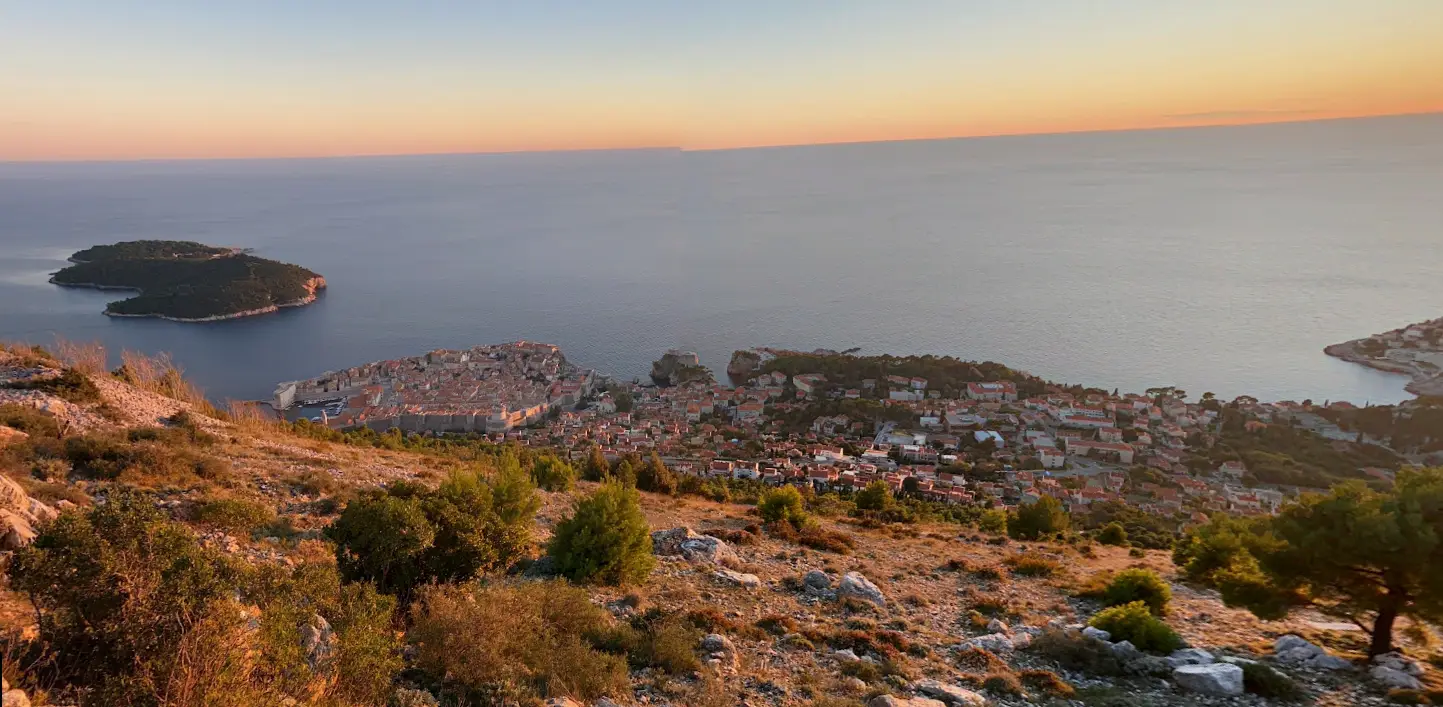
Dubrovnik, also known as the Pearl of the Adriatic, is one of the most beautiful historic cities in the Mediterranean and a UNESCO World Heritage site. Its impressive city walls guard the centuries-ol...
You might also be interested in

Croatia Worth Visiting: Historical, Natural, and Social Wonders of Europe’s Top Destination
When mentioning a country that combines a thousand-year history, incredible natural diversity, and a unique social lifestyle within a relatively small geographic space, Croatia rightfully stands at the very top of world tourism and transit maps. Located at the crossroads of Central Europe, the Mediterranean, and Southeast Europe, this country has been built over centuries as a bridge between different civilizations, cultures, and trade routes. Whether you are a passionate explorer of ancient ruins, a lover of untouched nature, a foodie in search of authentic flavors, or a traveler wanting to feel the relaxed Mediterranean spirit, Croatia offers an experience that goes beyond conventional tourism.

7 Attempts to Conquer and Subjugate Dubrovnik: From Medieval Wars to Great Serbian Aggression
Subscribe
The best stories about Croatia straight to your inbox every Sunday.