
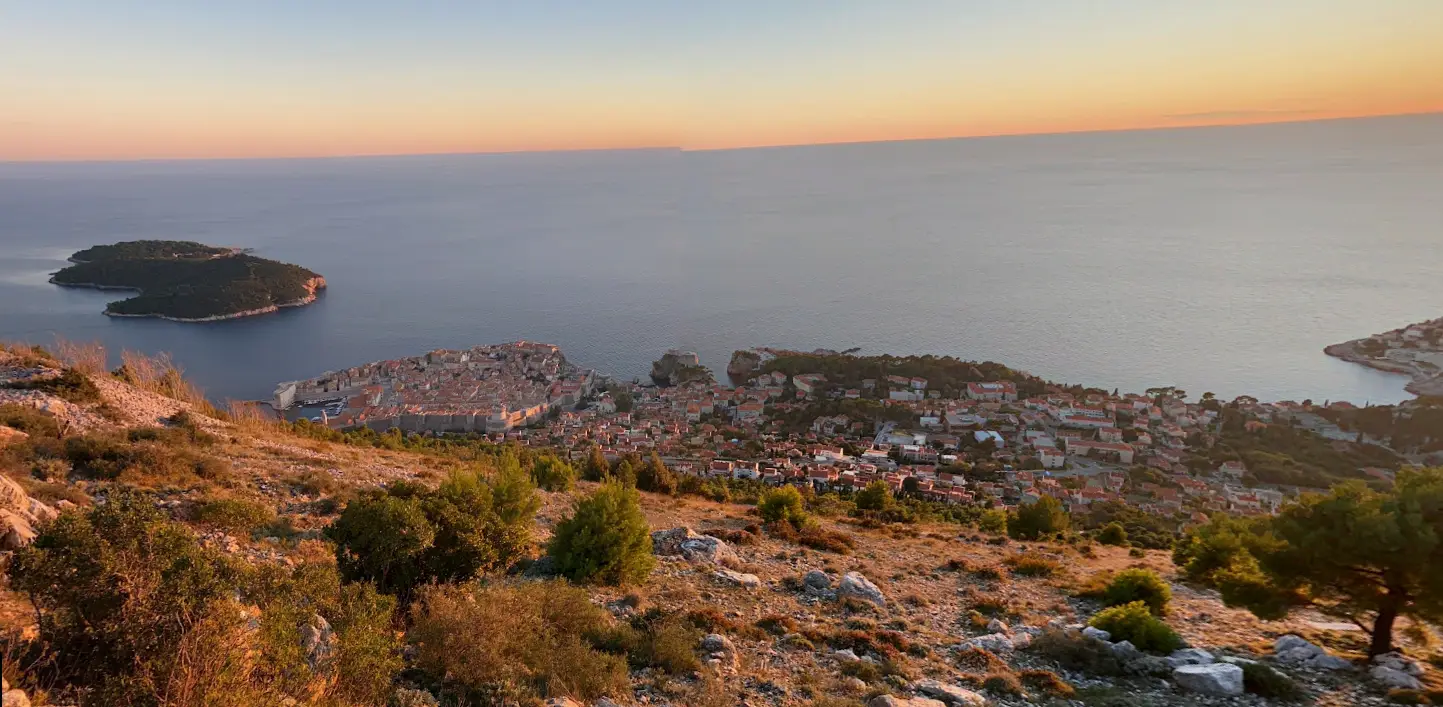
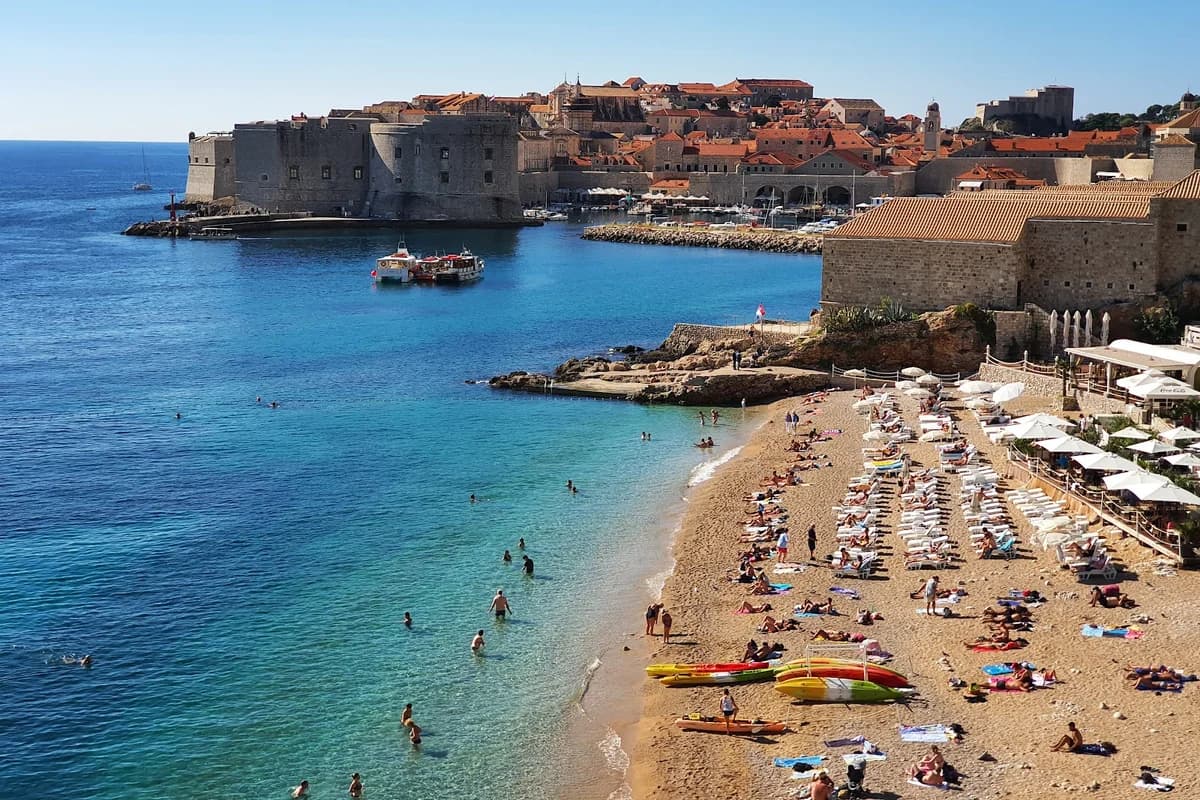
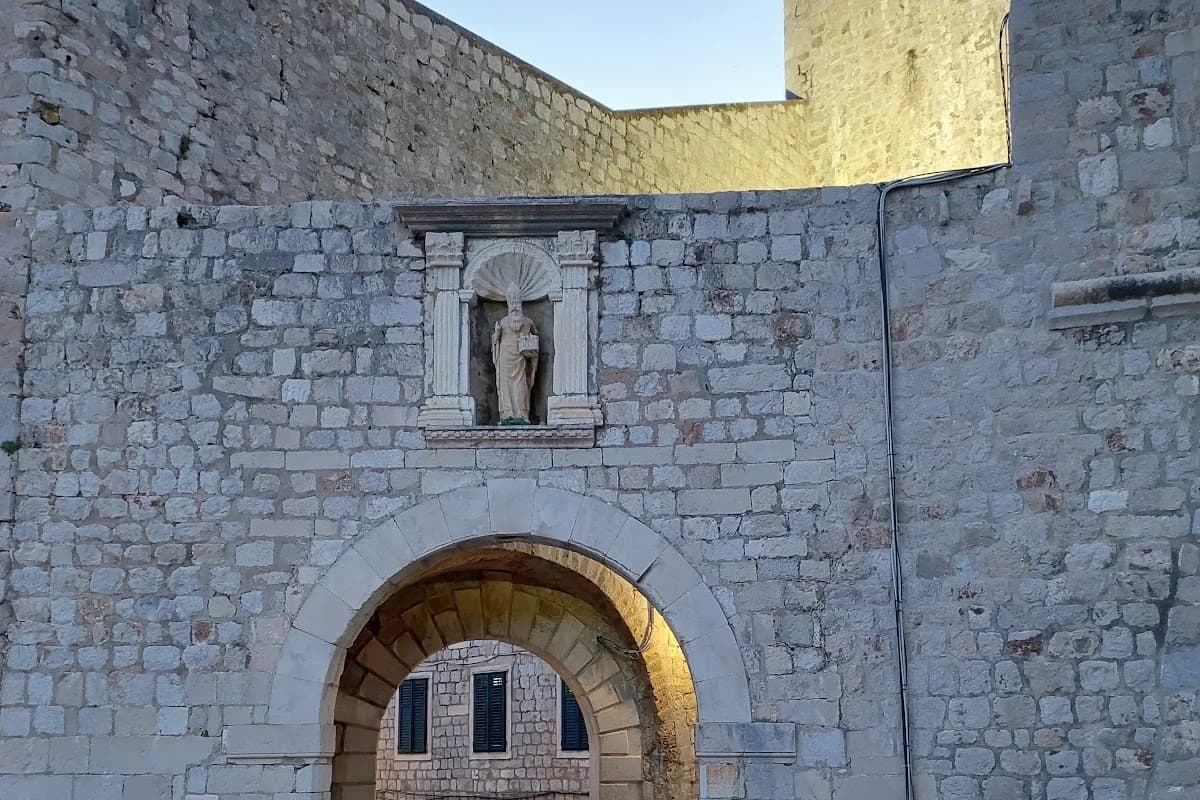
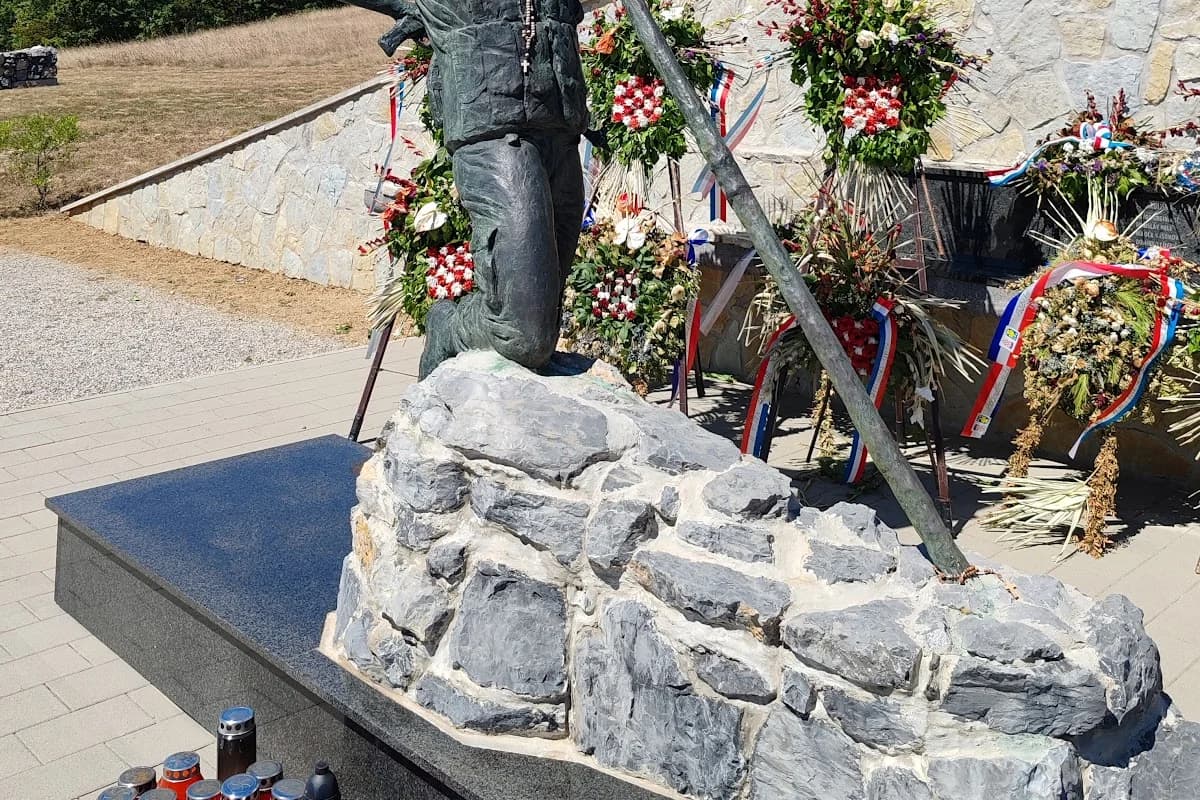

Dubrovnik (Latin: Ragusa) is one of the most important historical cities on the Adriatic coast. Its history spans from ancient times, through the rise and fall of the powerful, independent Republic of Ragusa (Dubrovnik Republic), to its modern history within the Republic of Croatia. Thanks to its diplomacy, maritime affairs, and trade, Dubrovnik was a cultural and economic center of the region for centuries, and today its Old Town is recognized as a UNESCO World Heritage site.
Foundation and Early History
The founding of Dubrovnik has been the subject of historical debate for centuries. According to traditional historiography, supported by the 10th-century work of Byzantine Emperor Constantine VII Porphyrogenitus, De Administrando Imperio (On the Governance of the Empire), the city was founded in the 7th century.
The Fall of Epidaurum and the Settlement of the Laus Rock
It is believed that the city was founded by refugees from the nearby Roman city of Epidaurum (modern-day Cavtat), fleeing the invasions of the Avars and Slavs who were ravaging Dalmatia at the time. The refugees retreated to a rocky islet called Laus (the Greek word for rock). From this word, the Romance name for the city later developed—Ragusium, or Ragusa.
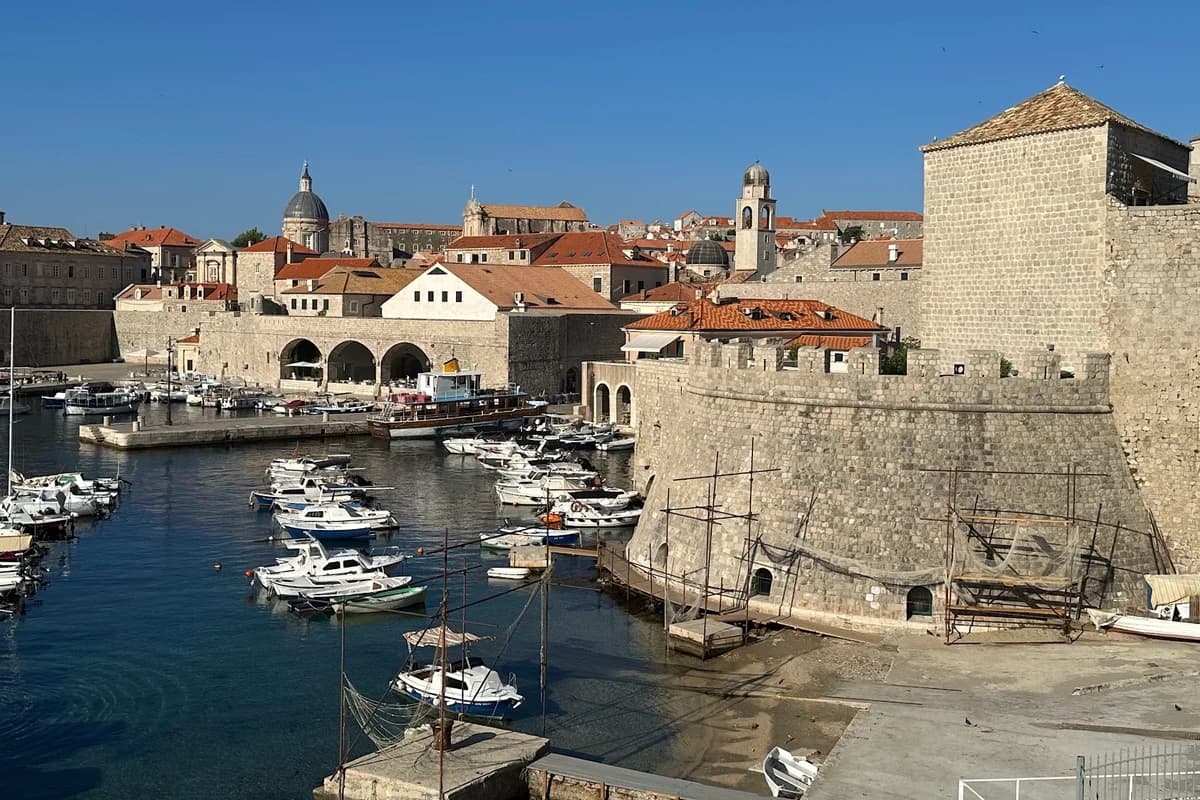
On the other hand, the Slavic population settled on the nearby mainland, at the foot of Mount Srđ. Their settlement was named Dubrovnik, after the surrounding oak forests (dubrave). Over time, the Romance and Slavic elements began to merge. In the 11th and 12th centuries, the sea strait that separated the Laus islet from the mainland settlement was filled in. This location became the city's main street—Stradun (Placa)—physically and demographically uniting the two settlements into a single entity, surrounded by shared defensive walls.
Recent Archaeological Discoveries
Although traditional history places the foundation in the 7th century, recent archaeological research conducted after the 1979 earthquake, as well as during the post-Homeland War restoration, revealed the remains of Byzantine fortifications and older structures beneath the present-day city. These findings suggest that a significant settlement existed in the area of modern-day Dubrovnik long before the fall of Epidaurum, possibly as early as Late Antiquity (5th or 6th century), serving as an important strategic stronghold on the maritime route to Ravenna.
Early Middle Ages (7th – 12th Century)
In the first centuries of its existence, Dubrovnik was under the supreme authority of the Byzantine Empire. Despite this subordination, the city gradually built its strategic importance and gained an increasing degree of autonomy.
Saracen Siege (866 – 867): In the mid-9th century, Dubrovnik was strong enough to withstand a fifteen-month siege by Arab pirates (Saracens). The siege was finally broken by the intervention of a fleet sent by the Byzantine Emperor Basil I.
Geopolitical Positioning: During the 10th and 11th centuries, Dubrovnik balanced between Byzantium, the growing maritime power of the Venetian Republic, and the Slavic principalities in the hinterland (Zachlumia, Travunia, Doclea).
Church Independence: In 992, the city was devastated in an attack by the Macedonian Tsar Samuel, but it quickly recovered. At the end of the 10th century (around 998), Dubrovnik became an archbishopric, which significantly contributed to its ecclesiastical, and indirectly, its political independence.
Venetian Rule (1205 – 1358)
Following the Fourth Crusade and the fall of Constantinople in 1204, the geopolitical landscape of the Mediterranean changed drastically. The Venetian Republic assumed dominance, and in 1205, Dubrovnik was forced to recognize Venetian suzerainty.
Characteristics of Venetian Administration
The Venetians sought to control Dubrovnik's maritime trade to prevent the emergence of a dangerous competitor.
Rector from Venice: A rector (duke), who came exclusively from Venice, was placed at the head of the city. His term lasted for two years.
Trade Restrictions: Dubrovnik's ships faced restrictions on Adriatic trade and had to pay customs duties to Venice.
Territorial Expansion: Despite Venetian control over its foreign policy, Dubrovnik retained complete autonomy in local affairs and expanded territorially during this period. The islands of Lastovo (1252), the Pelješac peninsula (1333), and the island of Mljet (1345) were annexed to the city.
The Statute of Dubrovnik (1272)
One of the most important events during the period of Venetian rule was the enactment of the Statute of Dubrovnik in 1272. This legal document codified previous customary law and regulated all aspects of life in the city—from the state system and civil law to maritime affairs, urban planning, and communal order. The statute remained in force, with later amendments, until the fall of the Republic in 1808.
The Republic of Ragusa (1358 – 1808)
Venetian rule ended with the Treaty of Zadar in 1358, after the Croatian-Hungarian King Louis I of Anjou defeated Venice and expelled it from the eastern Adriatic coast. That same year, Dubrovnik signed the Treaty of Visegrád with Louis.
According to the treaty, Dubrovnik recognized the supreme authority of the Croatian-Hungarian king, taking on the obligation to pay an annual tribute (500 ducats) and to sing hymns in the king's honor on holidays. In return, the king granted them complete internal independence, the right to free trade, and the right to elect their own rector. From then until 1808, Dubrovnik functioned as an independent state, gradually adopting the name Republic of Ragusa (Dubrovnik Republic / Respublica Ragusina).
Government Structure
The Republic of Ragusa was an explicitly aristocratic state. Power was held exclusively by the patricians (nobility), while the commoners had no political rights. The government was based on three main councils:
Major Council (Consilium Maius): The highest legislative body, which included all male members of the nobility who had reached the age of 18. It passed laws and elected state officials.
Senate (Consilium Rogatorum): The main operational and foreign policy body. It consisted of the most respected noblemen and managed diplomacy, finances, and state security.
Minor Council (Consilium Minus): The executive body (government) that implemented the decisions of the Senate and the Major Council.
The head of state was the Rector. To prevent the tyranny of a single individual or family, the rector was elected for a term of just one month, during which he was not allowed to leave the Rector's Palace except for official purposes.
Diplomacy and Relations with the Ottomans
The Republic's main weapon was not its military, but its superb diplomacy. As the Ottoman Empire expanded across the Balkans and approached Dubrovnik's borders, the Senate recognized the danger in time. In 1458, the Republic agreed to pay an annual tribute (haraç) to the Ottoman Sultan, which was later fixed at 12,500 ducats.
This seemingly vassal relationship gave Dubrovnik a crucial advantage: the right to free and exclusive trade throughout the vast Ottoman Empire, with very low customs duties. While Western powers were at war with the Turks, Dubrovnik's merchants acted as the primary intermediaries between the East and the West.
The Golden Age (15th and 16th Centuries)
The period from the mid-15th to the end of the 16th century is considered the Republic's golden age.
Economy: The Dubrovnik navy was one of the strongest merchant fleets in the Mediterranean, boasting around 200 large sailing ships. The English word argosy, meaning a large merchant ship, derives from the name Ragusa. The Republic maintained a network of over 80 consulates across the Mediterranean and Europe. The highest revenues came from trade, shipping, and the production and sale of salt (from Ston).
Civilizational Achievements: Dubrovnik led the way in humanitarian and municipal accomplishments. A pharmacy inside the Franciscan monastery was opened in 1317 (one of the oldest continuously operating pharmacies in Europe). In 1416, the Republic was among the first in Europe to legally abolish the slave trade. An orphanage for abandoned children was founded in 1432. The city acquired a water supply system in 1438, designed by the Neapolitan architect Onofrio della Cava.
Culture and Literature: Economic power enabled the flourishing of Renaissance art and literature in the Croatian language. Prominent figures included the playwright Marin Držić, poets Šiško Menčetić and Džore Držić, and later, during the Baroque period, Ivan Gundulić (author of the epic Osman and the verses on freedom, "O beautiful, o dear, o sweet freedom"). Science reached its peak with the mathematician, astronomer, and physicist Ruđer Bošković.
The Great Earthquake and the Period of Decline
The Golden Age came to an end in the 17th century. Global trade routes shifted from the Mediterranean to the Atlantic Ocean following the discovery of the Americas, causing Adriatic trade to lose its importance. An additional blow came from Mediterranean piracy and the prolonged Cretan War (1645 – 1669) between Venice and the Ottoman Empire, which disrupted trade routes in the hinterland.
The most tragic event in the Republic's history was a catastrophic earthquake, known as the Great Earthquake, which struck the city on April 6, 1667.
Over half of the city's population perished.
The Rector himself was killed, and the quake was followed by looting, anarchy, and a massive fire.
Nearly all Romanesque, Gothic, and Renaissance buildings were destroyed; only the city walls, the Sponza Palace, and parts of the Rector's Palace survived.
The Republic found itself on the brink of collapse, and the Venetians planned to exploit the situation to seize the city. It was saved by the incredible efforts of diplomats, particularly Stjepan Gradić, Dubrovnik's representative to the Vatican, who tirelessly gathered aid, experts, and funds for the reconstruction. Dubrovnik was rebuilt in the Baroque style we know today. Although it managed to rebuild physically and institutionally, the Republic never regained its former economic might.
The End of the Dubrovnik Republic and French Administration
At the beginning of the 19th century, the Napoleonic Wars engulfed all of Europe. Following the victory at Austerlitz, France acquired Dalmatia from Austria through the Peace of Pressburg in 1805, but the Republic of Ragusa remained an independent buffer zone.
Caught between the French army on one side and Russian and Montenegrin troops on the other, the Republic found itself in a stalemate. The Russians and Montenegrins began a siege of Dubrovnik, burning and looting the surrounding area. To save the city from destruction, the Dubrovnik Senate allowed the French troops of General Lauriston to enter the city on May 26, 1806, on the promise that they would respect the Republic's independence.
The promise was false. On January 31, 1808, General Auguste Marmont issued a decree formally abolishing the Republic of Ragusa and its aristocratic government. Dubrovnik was incorporated into the Illyrian Provinces within Napoleon's empire. This brought an end to centuries of independence.
Austrian Administration (1815 – 1918)
After Napoleon's downfall, the Congress of Vienna in 1815 assigned the entire territory of the former Republic to the Habsburg Monarchy (later Austria-Hungary). Dubrovnik was integrated into the newly formed Kingdom of Dalmatia, centered in Zadar.
Economic Stagnation
The 19th century was a period of severe stagnation for Dubrovnik. The loss of statehood also meant the loss of trade privileges. Traditional Dubrovnik shipping, relying on sailboats, slowly declined due to a lack of readiness and capital to transition to steam-powered ships, which were taking over the global market.
Croatian National Revival
Despite its economic decline, the city became a center of cultural and national awakening. In the second half of the 19th century, political organization emerged through the People's Party (Narodna stranka), which advocated for the unification of Dalmatia with Civil Croatia and the introduction of the Croatian language in schools and administration. Dubrovnik was an important publishing center where numerous newspapers were printed, and its intellectuals actively worked to preserve Croatian identity. Towards the end of the century, a strong Serb-Catholic movement emerged, advocating for the Serbian national identity of Dubrovnik's residents. This was initially supported by the Austrian administration to weaken the Croatian element, but it was eventually completely marginalized.
Toward the end of the 19th century, influenced by the opening of the first modern hotels (such as the Hotel Imperial in 1897), the development of tourism began—an economic sector that would ultimately define the city's future.
The Twentieth Century and the World Wars
With the collapse of Austria-Hungary in 1918 following World War I, Dubrovnik became part of the State of Slovenes, Croats and Serbs, and soon after, the Kingdom of Serbs, Croats and Slovenes (renamed the Kingdom of Yugoslavia in 1929). The city lost its territorial integrity through various administrative reorganizations (becoming part of the Zeta Banovina), but tourism and coastal trade continued a slow development. With the formation of the Banovina of Croatia in 1939, Dubrovnik became part of it.
During World War II (1941 – 1945), the city became part of the Independent State of Croatia (NDH). Actual power initially lay with the Italian occupiers, who enforced Italianization, and after the fall of Italy in 1943, the city was occupied by German forces. This period was marked by persecution, racial laws (the suffering of the Jewish community), starvation, and heavy Allied bombing. In October 1944, Yugoslav Partisans entered the city, followed by reprisals (the most notorious being the Daksa island massacre, where numerous prominent citizens were executed without trial).
Socialist Yugoslavia
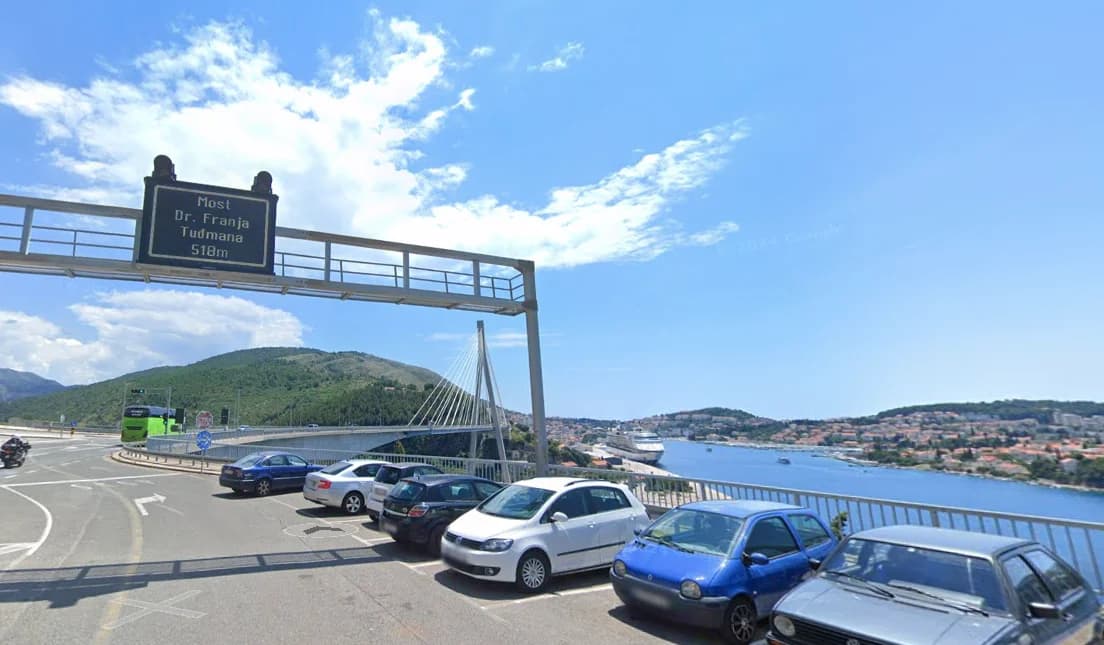
In post-war Socialist Yugoslavia, Dubrovnik was located within the Socialist Republic of Croatia. This was a period of extremely rapid development in mass tourism. The airport, the Adriatic Highway, and numerous large hotel complexes were built. The Dubrovnik Summer Festival, a prestigious cultural event, was established in 1950, and the historic center was added to the UNESCO World Heritage List in 1979, further cementing its global tourism status.
The Homeland War (1991 – 1995)
Following the breakup of Yugoslavia in 1991, Croatia declared independence. Dubrovnik found itself under a brutal attack by the Yugoslav People's Army (JNA), supported by reservists from Montenegro and eastern Herzegovina. The assault on the Dubrovnik area began on October 1, 1991.
Siege of the City
The aggressor's goal was to detach southern Croatia, despite the fact that there were no military targets or a significant Serb population in the Dubrovnik area to "protect." The city, defended by only a small number of lightly armed defenders, was entirely encircled by land and sea. It was left without electricity, drinking water, food, and communication.
The heaviest attack occurred on December 6, 1991. More than a thousand artillery shells were fired at the historic center, protected by both the UNESCO emblem and the Hague Convention. On that day, 19 people died, palaces were destroyed, a church and a library were burned down, and the Stradun suffered heavy damage. Images of the burning cultural monument shocked the world and played a pivotal role in the international recognition of the Republic of Croatia.
Liberation
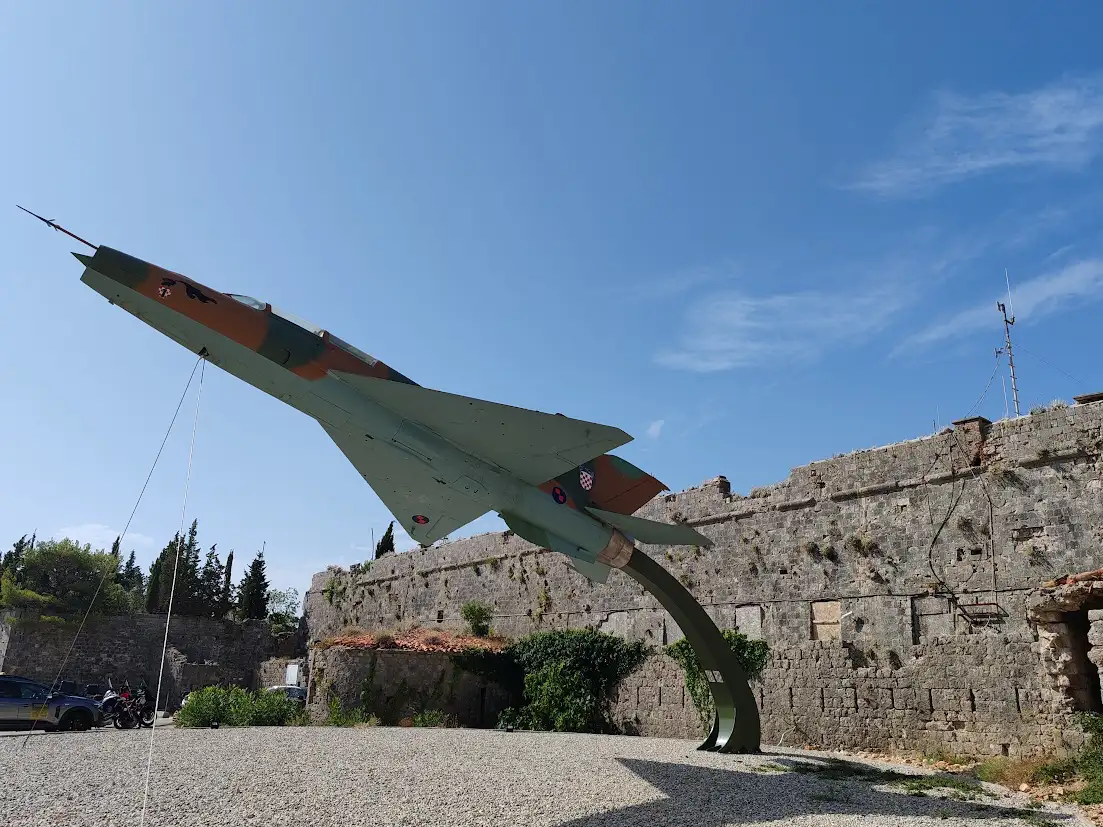
Thanks to the courage of the defenders (who held the strategic position at Fort Imperial on Mount Srđ) and supplies delivered by fast speedboats (the Armed Ships Detachment), Dubrovnik did not fall. In the spring and summer of 1992, the Croatian Army carried out extensive unblocking operations (such as Operation "Tiger"), which liberated the entire Dubrovnik region and pushed the aggressor back across the borders.
Modern History and Contemporary Dubrovnik
The end of the Homeland War was followed by a lengthy and complex physical reconstruction, conducted under the supervision of UNESCO to preserve the original appearance of the historic core.
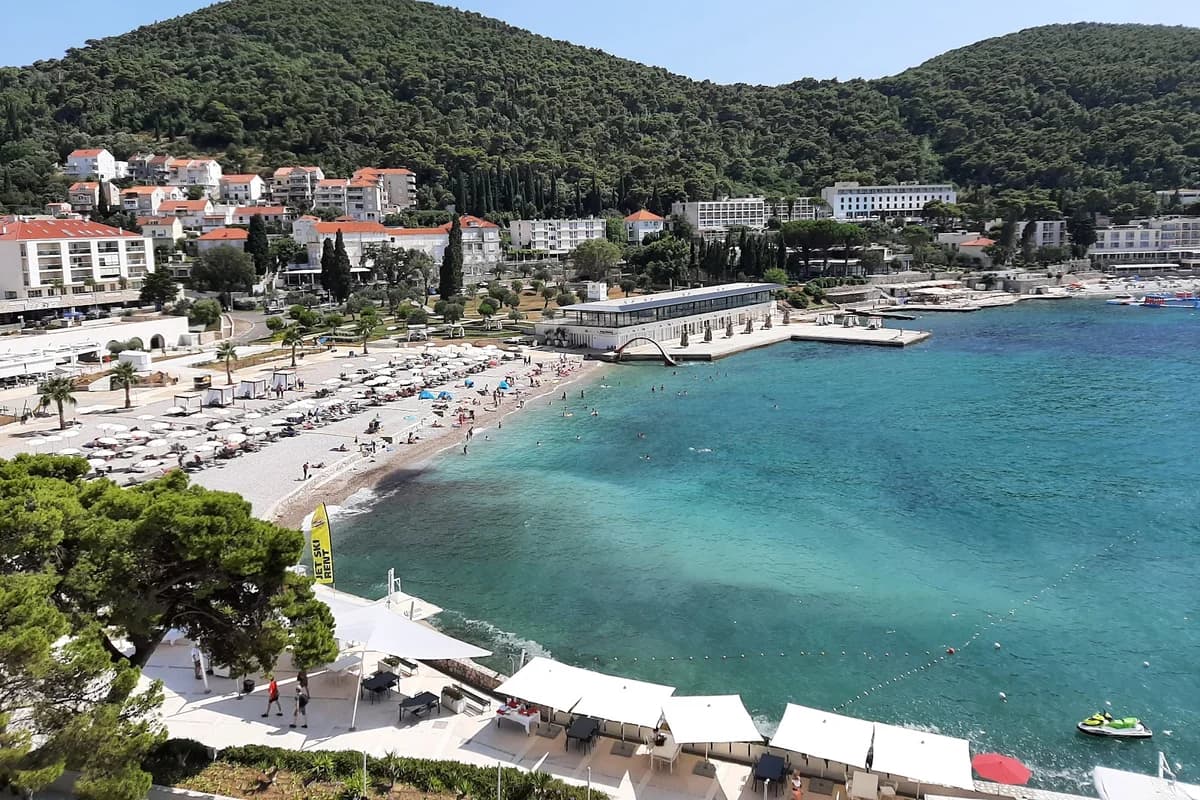
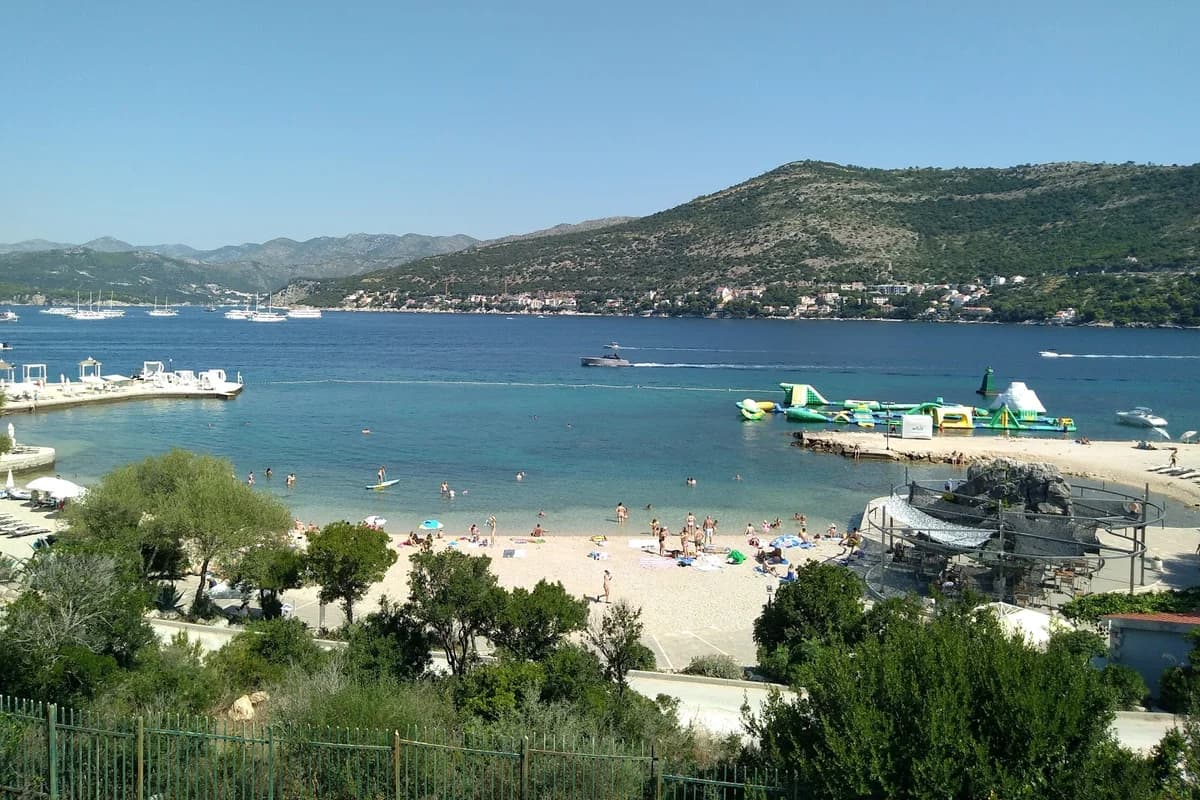
Today, Dubrovnik's economy is heavily reliant on tourism. It is one of Croatia's most recognizable global landmarks, a destination for luxury cruise ships and world travelers, and an attractive filming location for international productions. The city strives to balance the challenges of mass tourism with preserving the quality of life for its local population and its invaluable cultural heritage, built through centuries of thoughtful politics, diplomacy, and a love for freedom. This spirit is still present in the motto that stands today on Fort Lovrijenac: Non bene pro toto libertas venditur auro (Freedom is not sold for all the gold in the world).