
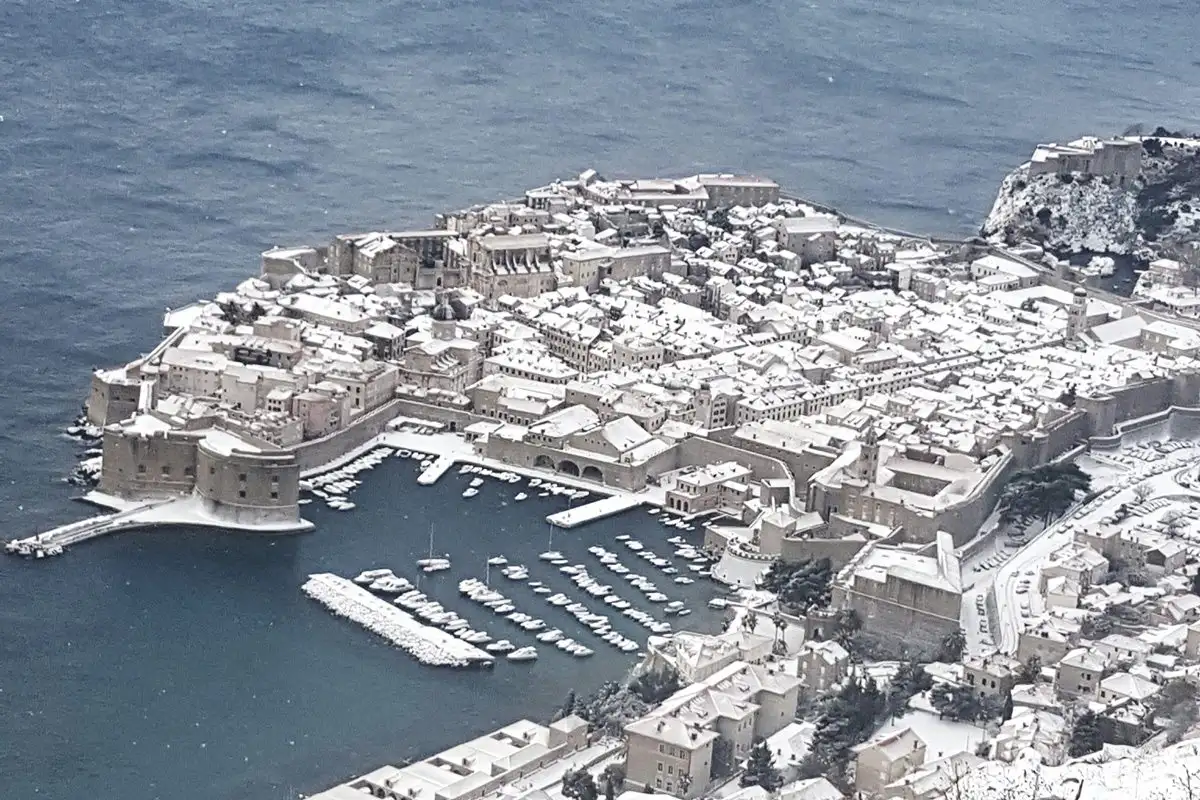
"Kada netko spomene odmor na hrvatskoj obali, u glavi se automatski stvara dobro poznata slika: kolovoz, sunce koje prži, miris kreme za sunčanje, sol na koži i zvuk cvrčaka. Ljeto na Jadranu doista ima svoje neosporne čari. Kristalno čisto more poziva na osvježenje, duge tople noći idealne su za šetnje rivom, a mediteranski način života tada je u punom jeku. No, budimo potpuno iskreni – ta ljetna idila ima i svoju drugu, znatno iscrpljujuću stranu."
When someone mentions a vacation on the Croatian coast, a well-known image automatically forms in the mind: August, the scorching sun, the smell of sunscreen, salt on the skin, and the sound of cicadas. Summer on the Adriatic truly has its undeniable charms. The crystal-clear sea invites you to refresh, long warm nights are ideal for walks along the waterfront, and the Mediterranean lifestyle is in full swing. But, let's be completely honest – this summer idyll also has its other, much more exhausting side.
Summer on the coast today also means temperatures that regularly exceed 35 degrees, turning every step out of the shade into a struggle for air. It means unbearable crowds, endless columns on the roads, searching for a free spot for a towel on the beach, and pushing through rivers of tourists in the historical cores of cities. It also means prices that break all ceilings in the peak season. Because of all this, a somewhat provocative question arises: have we forgotten how to truly enjoy the sea? The real, undiscovered pearl of Croatian tourism is actually hidden in the months when most people do not even think about packing their suitcases. Winter on the Adriatic is not just an alternative; it is, in many ways, a superior experience.
Return to the Roots: How Dubrovnik Invented Winter Tourism
To understand why winter on the sea is so special, we have to go back in history. We often forget that tourism on the Croatian coast did not start as a summer rush for a tanned complexion. In fact, in its beginnings, the situation was completely reversed. Take Dubrovnik, today's flagship of summer tourism, for example.
When European aristocrats, intellectuals, and the wealthy bourgeoisie began to discover the south of Dalmatia in the late 19th and early 20th centuries, they did not come in July. Summer was considered too muggy, uncomfortable, and even unhealthy due to the danger of mosquitoes and heat. Dubrovnik then functioned primarily as a winter resort. Distinguished guests from Vienna, Prague, and Budapest came to escape the harsh continental winters to enjoy the mild Mediterranean climate, long walks, and healing air.
Hotels, such as the cult Grand Hotel Imperial opened in 1897, were built precisely with the idea of providing a refuge during the winter months. At that time, absurdly from today's perspective, many hotels simply – closed their doors in summer. Visitors in winter organized balls, enjoyed cultural enrichment, and treated respiratory problems with the sea air. Winter was a season of prestige. A return to a winter visit to the Adriatic is actually a return to the authentic, original vision of Mediterranean tourism.
Health First: The Healing Power of the Winter Adriatic
One of the strongest arguments for a winter visit to the coast is health. Summer sweltering heat drains energy, but the winter bura (north wind) brings rebirth for the body and mind.
An oasis without allergens: For people who suffer from pollen allergies, winter on the coast is a real lifesaver. While the continent sometimes retains polluted air or the early appearance of allergens even in the milder winter months, the coastal air washed by the bura and salted with sea droplets is completely clean.
Outdoor aerosol therapy: Winter waves crashing into the rocks create a rich marine aerosol. A walk along the coast in January or February acts as a natural inhaler. The air is full of negative ions, iodine, and sea salt, which is proven to help with respiratory problems, asthma, and bronchitis.
Mental detox: The lack of stress, noise from nightclubs, and nervousness in traffic allows for true psychological relief. Healthy weather, with many sunny days even in the middle of January, is ideal for recharging your batteries and fighting winter depression (SAD - Seasonal Affective Disorder).
Activities and Sports: The Sea Without Limits
Summer offers swimming, but winter opens the doors to activities that are impossible, prohibited, or simply uncomfortable in July due to the large number of boats and swimmers.
1. Diving (Scuba diving and freediving) Many divers claim that winter is actually the best time to explore the underwater world. Why? Because there is no summer sea blooming or thousands of boat propellers muddying the water. Visibility underwater in winter is drastically higher, often exceeding 30 meters. With a quality wetsuit, the cold is not a problem, and you explore underwater caves and shipwrecks in complete peace, surrounded by fish that return closer to the shore in winter.
2. Fishing (Squid fishing and sport fishing) Winter in Dalmatia is synonymous with squid fishing (the popular lignjada). From late autumn and throughout the winter, locals set sail in the early evening. Joining the locals in fishing, on a boat with a glass of homemade wine and the smell of the sea, is an experience that no summer tourist tour can replicate. Also, due to the smaller number of vessels, sport fishing from the shore or from a boat is much more successful.
3. Other marine sports Lovers of wind, sailing, windsurfing, and kitesurfing come into their own in winter. The strong winter bura or strong jugo (south wind) provide adrenaline conditions that the summer maestral simply cannot offer.
Culture, History, and Finances: Traveling with Measure
Try exploring Diocletian's Palace, the Dubrovnik walls, or the Pula Arena in the summer. You will spend more time looking at the backs of tourists in front of you than at the ancient stones. Winter gives you an exclusive right to history.
Stress-free cultural and historical exploration When you visit historical sites in winter, you have them all to yourself. You can stop, study every detail, feel the spirit of the times, and photograph the architecture without someone entering your frame. Museums, galleries, and monuments are open, but the pace is slower, and curators and guides have time to dedicate to you and tell you stories that fly under the radar in summer.
Financial rebirth Winter tourism is extremely affordable. The prices of luxury apartments and hotel rooms often drop by 50 to 70 percent compared to August. This means that in winter you can afford top-category accommodation for the price of an average room in the middle of summer. The restaurants that remain open are the ones where locals eat – which means the prices are realistic, and the food quality is authentic.
Gastronomy of the winter coast Summer offers quick meals and light food. Winter is the time for serious, traditional Dalmatian and Istrian cuisine. This is the season when real cod, warm pašticada with gnocchi, sarmice (stuffed cabbage rolls), and dishes enriched with wild fennel and fresh laurel picked straight from the branch in the hinterland are eaten. This is the time when young wine is drunk and olive oil from the newly finished harvest is tasted.
How to Get There: The Roads are Open
Traveling to the coast in winter is a pleasure in itself because the logistics lose that well-known summer cramp.
Car: Forget about hours of waiting in front of the Sveti Rok or Mala Kapela tunnels. In winter, the highway is empty, and driving along the cult Adriatic Highway (D8) becomes a real pleasure. You can stop at every viewpoint, enjoy the view of the foaming sea during the bura, and drive without pressure.
Bus: Lines are regular, buses are not overcrowded, and the journey is quiet and comfortable. There are no delays caused by summer crowds at border crossings or toll booths.
Boat and ferry: Sailing with Jadrolinija in winter has a special romance. There is no waiting in kilometer-long columns for the ferry, there is plenty of room in the lounges, and a coffee on the deck while the ship cuts through the sharp winter air brings a special peace.
Airplane: Although the number of international flights is lower in winter, domestic lines (e.g., Zagreb - Dubrovnik or Zagreb - Split) function perfectly. Airports are passable, there is no stress about luggage, and it often takes less than 15 minutes from landing to exiting the terminal.
The Croatian coast in winter is not an empty shell waiting for summer; that is when it is most itself. This is the time when the coast takes off its tourist makeup and shows its true, stone face. If you are ready to trade the crowds and sweat for sharp, healthy air, undisturbed exploration of history, and authentic socializing with locals over top-quality food at fair prices, your next vacation should not be in July. Plan a trip this winter and discover the Adriatic as loved by emperors, kings, and those who knew how to recognize true luxury – the luxury of peace and space.
Written by
CroatiaBest
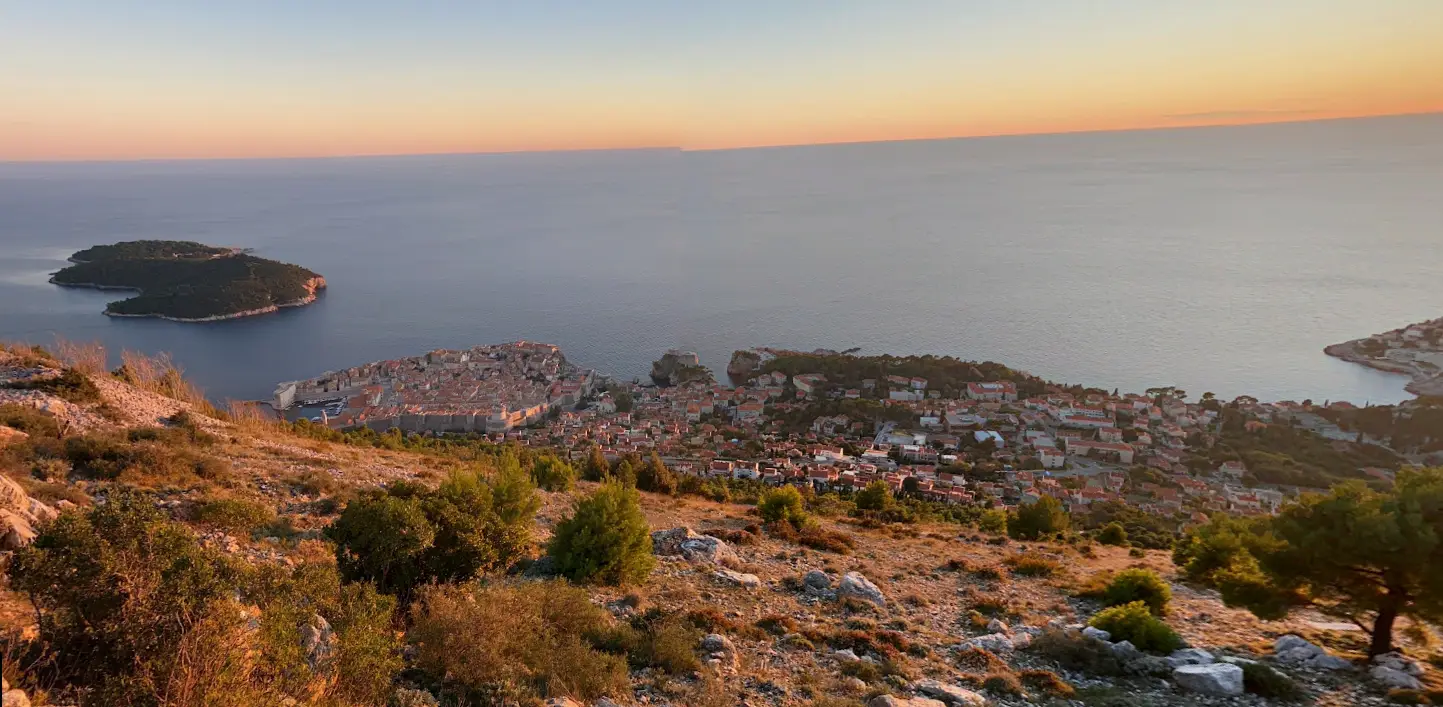
Explore Dubrovnik
Dubrovnik, also known as the Pearl of the Adriatic, is one of the most beautiful historic cities in the Mediterranean and a UNESCO World Heritage site. Its impressive city walls guard the centuries-ol...
You might also be interested in

Croatia Worth Visiting: Historical, Natural, and Social Wonders of Europe’s Top Destination
When mentioning a country that combines a thousand-year history, incredible natural diversity, and a unique social lifestyle within a relatively small geographic space, Croatia rightfully stands at the very top of world tourism and transit maps. Located at the crossroads of Central Europe, the Mediterranean, and Southeast Europe, this country has been built over centuries as a bridge between different civilizations, cultures, and trade routes. Whether you are a passionate explorer of ancient ruins, a lover of untouched nature, a foodie in search of authentic flavors, or a traveler wanting to feel the relaxed Mediterranean spirit, Croatia offers an experience that goes beyond conventional tourism.

7 Attempts to Conquer and Subjugate Dubrovnik: From Medieval Wars to Great Serbian Aggression
Subscribe
The best stories about Croatia straight to your inbox every Sunday.