

"In recent seasons, the same almost template-like debate has resurfaced in the public space, on travel forums, and across regional media: Has Croatia become too expensive, are we "overpriced," and will budget-friendly destinations in the Mediterranean and neighboring regions completely replace us? Media headlines compete in displaying receipts from Adriatic terraces, highlighting isolated examples of high prices for coffee, pizza, ice cream, or beach loungers in exclusive locations, building a narrative that vacationing on the Croatian coast has become a luxury affordable only to the wealthiest."
Why Superficial Media Outrage Misses the Point
Media Drama and the Illusion of an "Overpriced Adriatic"
In recent seasons, the same almost template-like debate has resurfaced in the public space, on travel forums, and across regional media: Has Croatia become too expensive, are we "overpriced," and will budget-friendly destinations in the Mediterranean and neighboring regions completely replace us? Media headlines compete in displaying receipts from Adriatic terraces, highlighting isolated examples of high prices for coffee, pizza, ice cream, or beach loungers in exclusive locations, building a narrative that vacationing on the Croatian coast has become a luxury affordable only to the wealthiest.
However, such analyses almost rule-based suffer from superficiality, sensationalism, and methodological unfairness. Judging the overall appeal, infrastructure development, and price category of an entire nation based on the receipt balance from Dubrovnik’s Stradun, Hvar’s waterfront, or Rovinj’s old town core is entirely misguided. It is just as absurd as declaring all of France unaffordable or overpriced simply because a coffee and pastry on Paris’s Champs-Élysées or along the shore of Saint-Tropez cost several times more than the average in the countryside or smaller coastal towns.
A true comparison requires digging beneath the surface. Media outlets consistently single out Dubrovnik or a high-profile, exclusive island hotspot as negative examples, while deliberately ignoring the fact that the Croatian coastline is exceptionally expansive, diverse, and fully integrated into European standards. Croatia is not just a "coastline with price tags," but a complex, extremely safe, territorially developed, and culturally rich European destination. When all components are taken into account—from the cleanliness of the sea and streets, through the level of security and access to top-tier healthcare, all the way to culinary authenticity and millennia-old historical heritage—it is clear that Croatia remains absolutely the best and most well-rounded choice in Europe.
Why Dubrovnik Is "Expensive" — and Why It Should Actually Be Even More Expensive
The regular default culprit in stories about "exorbitant pricing" is Dubrovnik. However, let us place things on real, logical foundations: comparing Dubrovnik to an average resort intended for mass tourism is unfair, meaningless, and professionally unsustainable. Dubrovnik is not and must not be a mass tourism destination. It is a global jewel, a UNESCO-protected monument, and a city whose brand and visual identity worldwide are measured against the most prestigious destinations such as Monaco, St. Tropez, Capri, or Venice.
Dubrovnik is a city of elite tourism. Seeking cheap mass tourism within its historic walls is just as illusory as expecting budget accommodation and cheap food in the very heart of Monte Carlo or on New York’s Fifth Avenue. A city with such delicate and precious monumental heritage naturally demands a model of sustainable, high-value tourism that protects its physical space from degradation and overcrowding.
Prices in such destinations do not merely charge for the physical piece of food or drink on a plate; they encompass the exclusivity of the space, the preservation of heritage, limited capacity, and the irreplaceable ambiance of walking through history. Furthermore, compared to global metropolises and luxury destinations like New York, London, Milan, Miami, or Venice, Dubrovnik is still moderately priced, while outperforming many of them in terms of preservation, cleanliness, and safety.
When you factor in what Dubrovnik delivers regarding cleanliness, security, and authentic architecture, a legitimate and provocative question arises: Why shouldn't Dubrovnik be even more expensive? A higher price in an elite core is not a temple of greed, but a natural quality regulator ensuring that the city remains preserved for future generations and tailored to guests who recognize and value the unique worth of such a location.
Unrivaled Core Values: Safety, Cleanliness, and Quality
When hasty media comparisons are drawn with alternative destinations like Turkey, Albania, or Montenegro—or even with certain coastal regions in France or Spain—entirely incomparable categories are being grouped together. The standard Croatia delivers across core lifestyle and tourism segments stands at the very apex of European values.
Flawless Safety Without Danger Zones
Safety today is one of the most critical factors when choosing a family or individual vacation spot. Croatia is proven to be one of the safest countries in the world. Here, families with children, solo female travelers, and seniors can stroll freely through the streets of any city, town, or island at any hour of the day or night. There are no "dangerous neighborhoods," ghettos, or zones to avoid after dark, which can hardly be said for many leading European and global metropolises or certain mass-tourism destinations across the Mediterranean.
Spatial Cleanliness and Infrastructure
The difference in cleanliness and spatial order is evident from the very first step. A comparison between certain regional centers in neighboring areas and Croatian historic cores reveals a massive gap in maintenance standards. While some cheaper cities look appealing on paper due to low prices, on the ground they often greet visitors with municipal disorder, grime, and poor infrastructure. On the other hand, the old towns of Split, Zadar, Trogir, Šibenik, or Dubrovnik are maintained to such a degree that they represent a textbook model—a center so well-kept and clean that it creates an impression of incredible dedication to detail. The cleanliness of streets, public spaces, and the sea itself in Croatia is no accident, but the result of long-term investment and a deeply ingrained civic culture.
Gastronomy and Ingredient Quality
While some point to lower prices in surrounding countries, the quality of food and ingredients cannot simply be placed in the same category. Croatian gastronomy relies on fresh, local, and strictly controlled ingredients—from homegrown olive oil and freshly caught fish to premium wines and locally raised meat. Restaurant prices in Croatia may be higher compared to mass-market destinations, but that price difference fully reflects the gap between imported mass-produced ingredients and authentic Mediterranean cuisine prepared to the highest hygiene and culinary standards.
World's #1 Nautical Haven and Top-Tier Transportation Connectivity
Croatia did not become the undisputed global leader in charter tourism and a favorite destination for sailors worldwide by chance. The Croatian marine area represents the most desirable, safest, and most indented region for sailing and cruising in the Mediterranean.
Network of Modern Marinas: Dozens of top-equipped ACI and private marinas along the entire coast offer the highest level of technical support, secure berths, professional staff, and additional amenities.
Ease and Safety of Navigation: Thousands of islands, islets, and secluded coves are located just a few nautical miles apart from one another. This allows sailors a pleasant, calm, and safe navigation experience without prolonged exposure to risky open seas.
Excellent Connectivity: A network of international airports in Dubrovnik, Split, Zadar, Pula, Rijeka, Osijek, and Zagreb enables guests to reach the coast within just a few hours of flying from virtually anywhere in Europe. A traveler landing in Split or Zadar can be enjoying the deck of a yacht or an island villa within an hour or two. Modern highways and an expansive ferry network further facilitate fast, safe, and comfortable travel.
Health System and Guest Security
One often overlooked yet vital component of an overall destination's quality is healthcare security. Unlike some exotic or less-developed tourism nations where healthcare can be of questionable quality, unreliable, hard to access, or exorbitantly expensive in private clinics, Croatia provides its guests with top-tier, rapidly accessible medical care.
Whether dealing with emergency interventions along the coast and islands, organized helicopter and marine rescue teams, or a network of general and specialized hospitals across all major urban areas, foreign visitors in Croatia enjoy complete healthcare coverage meeting the highest European standards. That peace of mind and safety is priceless, especially for families with small children, senior travelers, or guests with chronic health conditions.
A Developed Coastline, Diverse Offerings, and the Secret to an Affordable Vacation
The claim that Croatia has "become overpriced overnight" rests on the misconception that the entire coast is a single, expensive zone. The reality is quite the opposite: the entire Croatian coast is exceptionally developed and offers a wide spectrum of options for every budget.
How to Vacation Smartly and Affordably
Anyone wanting to stay on the waterfront in the absolute center of globally famous tourist hotspots will pay a premium rate—and that is the standard in all global destinations without exception. However, just a few miles away from the main centers, in smaller coastal and island towns or within the hinterlands of Istria and Dalmatia, a wide array of highly affordable, high-quality private accommodations, family-run hotels, and authentic taverns (konobe) with budget-friendly menus is readily available.
Pristine Nature and Unexplored Islands
The Croatian coast offers an incredible mix of developed urban centers and untouched nature. With over a thousand islands—the vast majority of which are uninhabited—guests have easy access to secluded beaches, national parks (such as Kornati, Mljet, Krka, and Brijuni), and crystal-clear sea waters that consistently earn the top ratings from the European Environment Agency (EEA).
History and Cultural Heritage on Par with Italy
Croatia is not merely about sun, beaches, and sea—it is a living museum featuring an unbroken chain of civilization spanning over two millennia. Walking through Croatian cities means walking through layers of rich European history.
These lands were home to Illyrians, ancient Greeks, and the mighty Roman Empire. Later, the influences of the Venetian Republic, the French Empire, the Habsburg Monarchy, and the complex history of the 20th century intertwined here, leaving behind a legacy in literature, architecture, sculpture, and painting that easily holds its own alongside Italian Renaissance and Baroque art.
Unmatched Roman Heritage: The Pula Arena is one of the best-preserved Roman amphitheaters in the world, standing side by side with Rome's Colosseum. Diocletian’s Palace in Split is not a vacant, fenced-off monument, but a unique Roman palace in which people still live, work, and spend their daily lives.
UNESCO World Heritage Sites: From Dubrovnik’s city walls, Trogir’s historic core, and Šibenik’s Cathedral of St. James to Hvar’s Stari Grad Plain, Croatia's cultural offering possesses a historical depth that mass-tourism destinations outside Europe simply cannot match.
Geographic Diversity: From Slavonian Plains to Dalmatian Karst Peaks
Few European countries offer such vast geographic and landscape diversity within such a compact space as Croatia:
Slavonia and Baranja: Golden plains, centuries-old oak forests, rich culinary traditions, grand manor houses, and genuine hospitality.
Gorski Kotar and Lika: Majestic mountains, dense forests, spectacular Plitvice Lakes, and crisp mountain air right next to the sea coast.
Istria and Kvarner: Rolling green hills reminiscent of Tuscany, world-class gastronomy featuring truffles and extra virgin olive oils, and historic coastal towns.
Dalmatia and the Islands: Karst landscapes, olive groves, steep vineyard slopes, and the impressive Biokovo and Velebit mountain ranges dropping vertically into the turquoise sea.
This diversity allows travelers to transition from peaceful plains to mountain ranges and onto a sunny coastline within just a few hours of driving.
A Memory That Money Can't Buy
When a guest walks down Dubrovnik’s Stradun, Split’s Riva, or Zadar’s Forum, they are not walking on an ordinary promenade—they are walking across historical stages that belong to the absolute pinnacle of European cultural heritage. Expecting such experiences to be trivially cheap is unreasonable and unfair to the intrinsic value of that heritage.
Comparisons with cheaper, but incomparably less developed or less safe destinations simply do not hold up. London, Monaco, New York, Miami, Milan, or Venice are significantly more expensive, but does a stay there truly deliver a better balance of safety, natural beauty, cleanliness, and authentic charm? Croatia delivers an experience combining the finest European culture, Mediterranean lifestyle, and modern safety.
Spending a week or two in Croatia guarantees high quality, an astonishing diversity of experiences, and, most importantly, memories that last a lifetime. Croatia is not overpriced—Croatia is an exceptional value for anyone capable of recognizing and appreciating the very best that Europe has to offer.
Written by
CroatiaBest
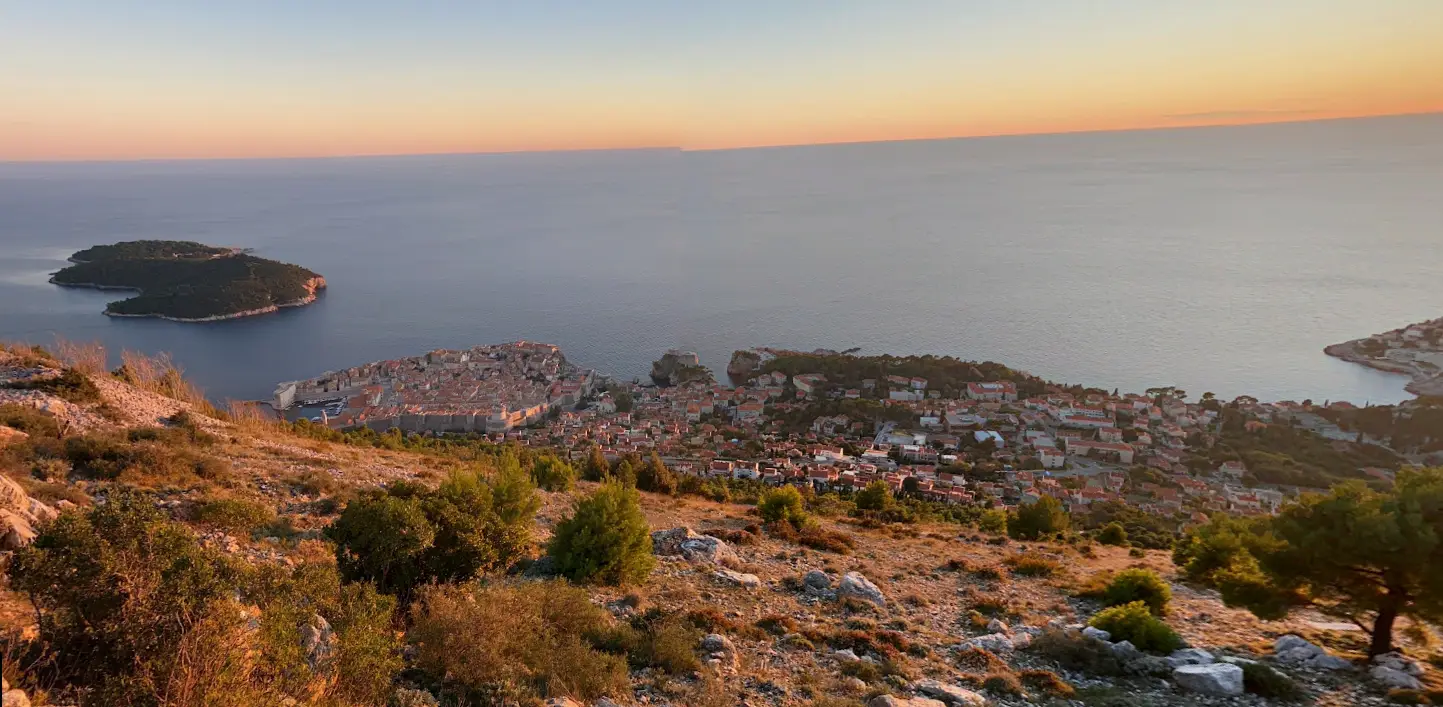
Explore Dubrovnik
Dubrovnik, also known as the Pearl of the Adriatic, is one of the most beautiful historic cities in the Mediterranean and a UNESCO World Heritage site. Its impressive city walls guard the centuries-ol...
You might also be interested in

Croatia Worth Visiting: Historical, Natural, and Social Wonders of Europe’s Top Destination
When mentioning a country that combines a thousand-year history, incredible natural diversity, and a unique social lifestyle within a relatively small geographic space, Croatia rightfully stands at the very top of world tourism and transit maps. Located at the crossroads of Central Europe, the Mediterranean, and Southeast Europe, this country has been built over centuries as a bridge between different civilizations, cultures, and trade routes. Whether you are a passionate explorer of ancient ruins, a lover of untouched nature, a foodie in search of authentic flavors, or a traveler wanting to feel the relaxed Mediterranean spirit, Croatia offers an experience that goes beyond conventional tourism.

7 Attempts to Conquer and Subjugate Dubrovnik: From Medieval Wars to Great Serbian Aggression
Subscribe
The best stories about Croatia straight to your inbox every Sunday.