
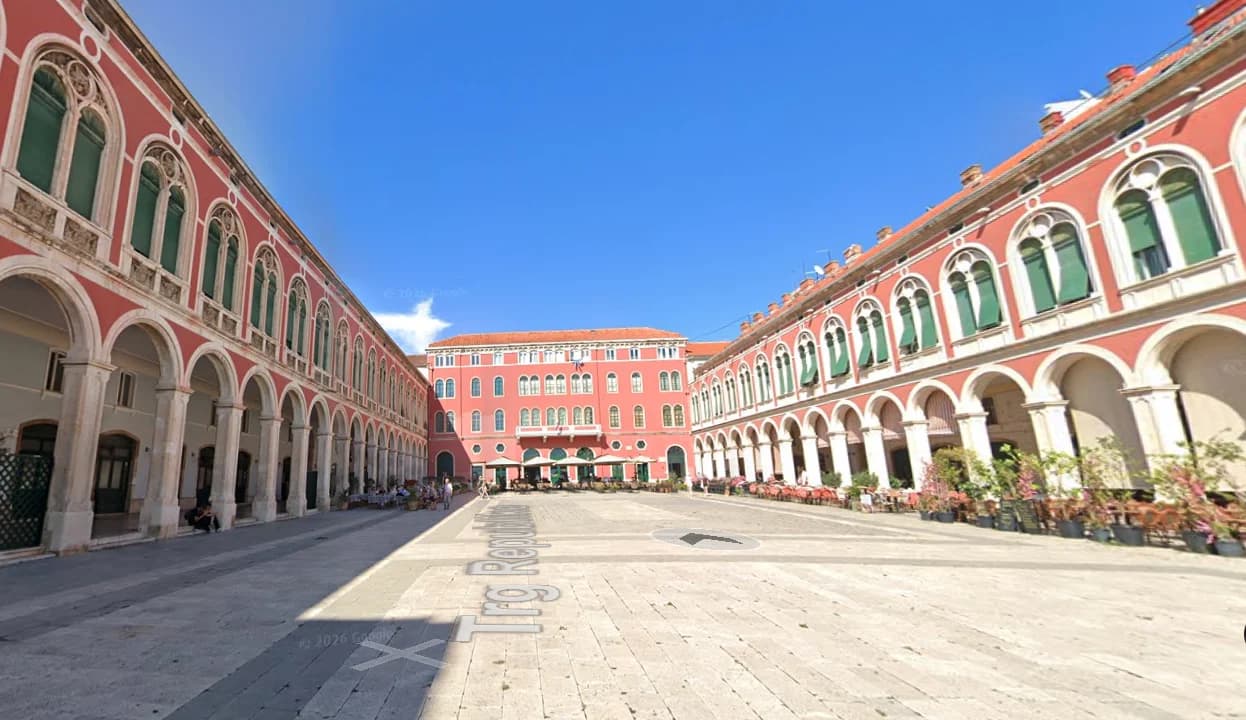
"Desetljećima je priča o hrvatskom turizmu imala svoj neupitni, uklesani početak i kraj u jednoj te istoj točki – dubrovačkim zidinama. Dubrovnik je bez sumnje stvorio brend, poslužio kao razglednica kojom se Hrvatska predstavljala svijetu i ponosno nosio titulu neslužbenog „bisera Jadrana“."
The Shadow of Dubrovnik and the Rise of the Adriatic’s New King
For decades, the story of Croatian tourism had its undisputed, carved-in-stone beginning and end at one single point—the walls of Dubrovnik. Dubrovnik undoubtedly built a powerhouse brand, served as the postcard that represented Croatia to the world, and proudly held the title of the unofficial "Pearl of the Adriatic." However, as often happens with destinations that become victims of their own success, Dubrovnik gradually hit its physical, infrastructural, and experiential limits. It became exclusive yet cramped, iconic yet seasonally boxed-in, and fascinating to see for two days, but exhausting for a longer stay.
In the shadow of that Dubrovnik dominance, a quiet yet spectacular transformation took place over the last 10 to 15 years. Split, once viewed purely as a transit hub—a stop where you get off the train or bus just to catch the next ferry to Hvar or Brač—has grown into the new, undisputed ruler of the Croatian coast.
The city at the foot of Marjan Hill didn’t just copy the recipe for success; it completely overhauled it. Split recognized every flaw Dubrovnik has struggled with for years and perfected every angle of its offering. It transformed into a destination that doesn't just offer a historic backdrop, but a living, dynamic, spacious, and endlessly engaging urban experience. While Dubrovnik is slowly becoming a living museum with an expiration date each year, Split has become the metropolis of Croatian tourism—a new Pearl of the Adriatic blending thousands of years of history with the energy of the modern Mediterranean.
1. Space, Breadth, and Flat Ground: The Scale of Old and New Split
The first and most striking advantage Split holds over Dubrovnik lies in its scale and topography. Dubrovnik is an architectural marvel and a monument to human defiance in stone, but being squeezed between the steep slopes of Mount Srđ and the sea creates a constant sense of congestion.
Diocletian’s Palace – A Living City, Not a Museum Under Glass
Comparing the old town centers, Dubrovnik’s walled Old Town is gorgeous, but geographically extremely limited. On the other hand, Split’s historical center—anchored by Diocletian’s Palace and its later medieval and Venetian expansions—is up to four times larger than Dubrovnik’s core.
What’s even more important is that Diocletian’s Palace isn't a gated museum where you buy a ticket just to step onto the walls. It is a living, breathing organism. People still live there; cafes, artisan workshops, high-end restaurants, galleries, and concept stores line its alleys. The rhythm of life in Split’s old core flows organically from ancient history straight into the modern day.
Flat Terrain That Invites Exploration
Dubrovnik is a city of "skaline" (steep stone stairs). Every trip away from the main Stradun street requires tackling hundreds of steep steps, making it a major hurdle for families with strollers, older travelers, or guests with mobility needs. Split is visually and physically dominant in this regard: from the grand Riva promenade, across the west and east waterfronts, all the way to its modern neighborhoods, the city sits on flat, open terrain.
A visitor in Split can spend hours walking, biking, pushing a stroller, or exploring hidden alleyways without feeling physically drained. Modern Split—expanding toward Pujanke, Split 3, and Žnjan—gives the city breathing room and an urban footprint that Dubrovnik’s geography will simply never allow.
2. Geographical Spread and a Powerhouse Hinterland: A City That Isn't Cut Off
Dubrovnik’s location is often called exclusive, but in practical tourist and logistical terms, Dubrovnik sits in a geographic dead end. Squeezed into a narrow strip of Croatian land, it is hemmed in to the north and east by the border with Bosnia and Herzegovina, and to the south by the nearby border with Montenegro. Getting out of the city to explore the surrounding region is limited to a few winding roads and border crossings bogged down by hours of traffic every summer.
Split as the Transit and Regional Hub of Dalmatia
Split, on the other hand, is the natural heartbeat and transit hub of the entire eastern Adriatic coast. It doesn't function as an isolated island on the mainland, but as the epicenter of a booming region and cluster of coastal towns:
An Immediate Ring of Towns: Just a 10 to 20-minute drive from Split lie Kaštela, rich with history and castles; Trogir, a UNESCO-protected island town; and Omiš, featuring the unmatched canyon of the Cetina River, ideal for adventure tourism (rafting, ziplining, kayaking).
The Broader Region at Your Fingertips: A bit further out—less than an hour's drive—you'll find Šibenik with its cathedrals and fortresses, as well as Zadar. Split allows guests to explore half of Dalmatia in a single trip with zero logistical headaches.
The Undiscovered Treasure of the Dalmatian Hinterland: While Dubrovnik’s hinterland is cut off by international borders, the vast expanse of the Dalmatian Hinterland (Zagora) opens up right behind the Klis Fortress. Hundreds of villages, Sinj and its historic Alka knight tournament, the lakes of Imotski, the Cetina River, authentic local taverns (konobe), wine roads, and agritourism offer travelers a soul-refreshing escape. Split has room to breathe and plenty of places to send its guests when they want a break from summer crowds.
3. Season Length: From a Seasonal Flash to Year-Round Urban Life
One of the biggest flaws in Dubrovnik’s tourism model is its extreme seasonality. Dubrovnik operates at full throttle for 7 to 8 months, while during the rest of the year, the city essentially goes into hibernation. Most restaurants, souvenir shops, and vacation rentals shut down by late October, leaving the city empty, shuttered, and quiet.
Split Lives 365 Days a Year
Over the past decade, Split made a crucial pivot and moved dangerously close to becoming a true year-round destination, surpassing Dubrovnik in many aspects. Why? Because Split wasn't built exclusively for tourists. First and foremost, Split is Croatia's second-largest city, a major university hub with tens of thousands of students, an economic engine, and a vibrant cultural center.
When you walk down the Riva in Split in November or February, you’ll find bustling cafes, authentic local hustle and bustle, restaurants serving locals, and a rich cultural lineup of theaters, museums, and concerts.
This year-round energy attracts a new wave of modern travelers—digital nomads, business travelers, weekend city-break visitors, and travelers searching for an authentic winter Mediterranean vibe. Split doesn't have to manufacture fake off-season attractions; its everyday city life is the attraction.
4. Beaches and Waterfronts: Spaces built for tens of thousands
When a traveler visits the coast for a summer vacation, they expect accessible, spacious, and clean waters. Here, the contrast between Dubrovnik and Split is staggering.
Dubrovnik has struggled for years with a lack of large, practical beaches. Its most famous spots, like Banje or Lapad, are visually stunning but physically tiny. A few hundred swimmers create an instant sense of overcrowding, turning the fight for a towel or lounge chair spot into a daily stress test.
Split’s Beach Renaissance
Split boasts beach capacity right along its city coast that can easily accommodate tens of thousands of swimmers at once, offering unmatched variety:
Žnjan: One of the largest coastal development projects on the Adriatic. A vast beach stretch featuring miles of pebble shores, sports courts, walking paths, and beach bars offering incredible space and easy access.
Bačvice: The world-famous sandy beach located right in the heart of the city, famous as the birthplace of the local water game picigin, known for its shallow, warm waters and electric energy.
Firule and Trstenik: Ideal family beaches offering natural shade, fine sand, pebbles, open space, and safe swimming waters.
Marjan Coves (Kašjuni, Obojena, Bene): Where pine forests meet turquoise waters. Kašjuni offers a modern beach club vibe right below the steep cliffs of Marjan, while Bene provides a shady sanctuary surrounded by nature for families and outdoor enthusiasts.
Split doesn't just offer tourists a "spot to swim"—it provides full beach districts right inside the city, where everyone from young partygoers to families with young kids can find their own stretch of coast without the squeeze.
5. Transit Connectivity: The Undisputed King of Land, Sea, and Air
Dubrovnik’s geographic isolation remains its biggest vulnerability. Dubrovnik is primarily a fly-in destination, with over 90% of visitors arriving by plane or cruise ship. Any flight delay or road traffic immediately snarls the flow of travelers. Getting to Dubrovnik by car or bus from Central Europe is still a long, exhausting journey.
Split – The Arterial Transit Hub of the Eastern Adriatic
When it comes to connectivity, Split has no rival anywhere on the Adriatic. It is a full-scale transit hub:
Highway Infrastructure: The A1 Highway (Dalmatina) runs practically right into the city. Travelers driving from Germany, Austria, Slovenia, the Czech Republic, Slovakia, or Poland can reach Split safely, quickly, and easily by car.
Split Airport (Resnik): Consistently battles for top spot in Croatia for passenger volume, often outstripping Zagreb Airport during peak summer months. It connects directly to over a hundred European and global destinations.
The Port of Split: The third-busiest passenger port in the Mediterranean. It acts as the primary lifeline connecting the mainland to the finest islands in the Adriatic.
Central Train Station: Situated right inside the port, allowing travelers to step off a train and directly onto a ferry or into the city center—an infrastructure setup Dubrovnik can only dream of.
6. The Hidden Aces That Make Split Unbeatable
Beyond these main points, several deeper cultural and lifestyle factors make a massive difference in Split's favor.
An Island Archipelago at Your Doorstep
Dubrovnik has the beautiful Elaphiti Islands nearby, but Split sits at the doorstep of Croatian tourism royalty—Brač, Hvar, Vis, Šolta, and Korčula. A traveler based in Split can pick a different island for a day trip every day of the week:
Take a morning ferry to Brač for a swim at Golden Horn (Zlatni rat).
Catch a high-speed catamaran to Hvar the next day to explore the Pakleni Islands.
Head out to Vis on day three to check out the Blue Cave and secret military tunnels. Split isn't just a destination; it's the ultimate launching pad for exploring the entire Adriatic.
Marjan Forest Park – Green Lungs in the Heart of the City
Few Mediterranean cities of this size feature a natural oasis like Marjan. Rising right beside the historic center, this forest park offers miles of trails for running, biking, rock climbing, hidden stone chapels, and panoramic lookouts over the entire archipelago. While escaping the heat and concrete in Dubrovnik means hunting for rare small parks, Split offers complete immersion in nature just a 10-minute walk from the main promenade.
The "Split State of Mind" and Authenticity
Under the weight of mass tourism (especially cruise ships), Dubrovnik lost much of its local population in the old core, turning the Old Town into a backdrop staffed by seasonal workers. Split, on the other hand, managed to keep its fiery, vibrant, authentic Dalmatian spirit alive.
A visitor in Split isn't staying in a sterile tourist bubble. They'll hear locals arguing playfully at the Peškarija (fish market) and Pazar (open-air market), watch locals play picigin in the shallows at Bačvice, feel the fierce passion for the local soccer club Hajduk on every painted wall, and experience the legendary "Split state of mind"—a lifestyle centered around slowing down, enjoying coffee in the sun, and celebrating life.
Foodie Boom and Modern Nightlife
Over the last decade, Split has evolved into a culinary hotspot. From traditional taverns serving authentic pašticada (slow-cooked beef stew), seafood broths, and soparnik (savory Swiss chard pie), to modern Michelin-rated dining, street food joints, and specialty coffee shops—Split’s food scene is more dynamic, accessible, and diverse than Dubrovnik’s.
On top of that, a festival scene led by massive events like Ultra Europe has put Split squarely on the radar of a younger, high-spending global audience looking for world-class nightlife.
Is There a New Ruler on the Adriatic?
The answer to this question is no longer a matter of opinion or regional rivalry; it is backed up by facts on the ground. Dubrovnik will forever hold its place in history as an architectural jewel and a bucket-list UNESCO World Heritage site. However, the crown for the most complete, dynamic, and forward-looking destination in Croatian tourism has officially been passed to Split.
Split proved that modern 21st-century tourism can't survive on history and stone walls alone. The modern traveler wants space, easy access, top-tier connectivity, freedom of choice, and above all, authenticity.
By preserving its local soul while building an infrastructure capable of hosting millions of visitors, the city under Marjan Hill evolved from a transit stop into a true tourism metropolis. Split is no longer just an alternative or an add-on to Dubrovnik—Split has become the new, reigning Pearl of the Adriatic.
Written by
CroatiaBest
Explore Dubrovnik
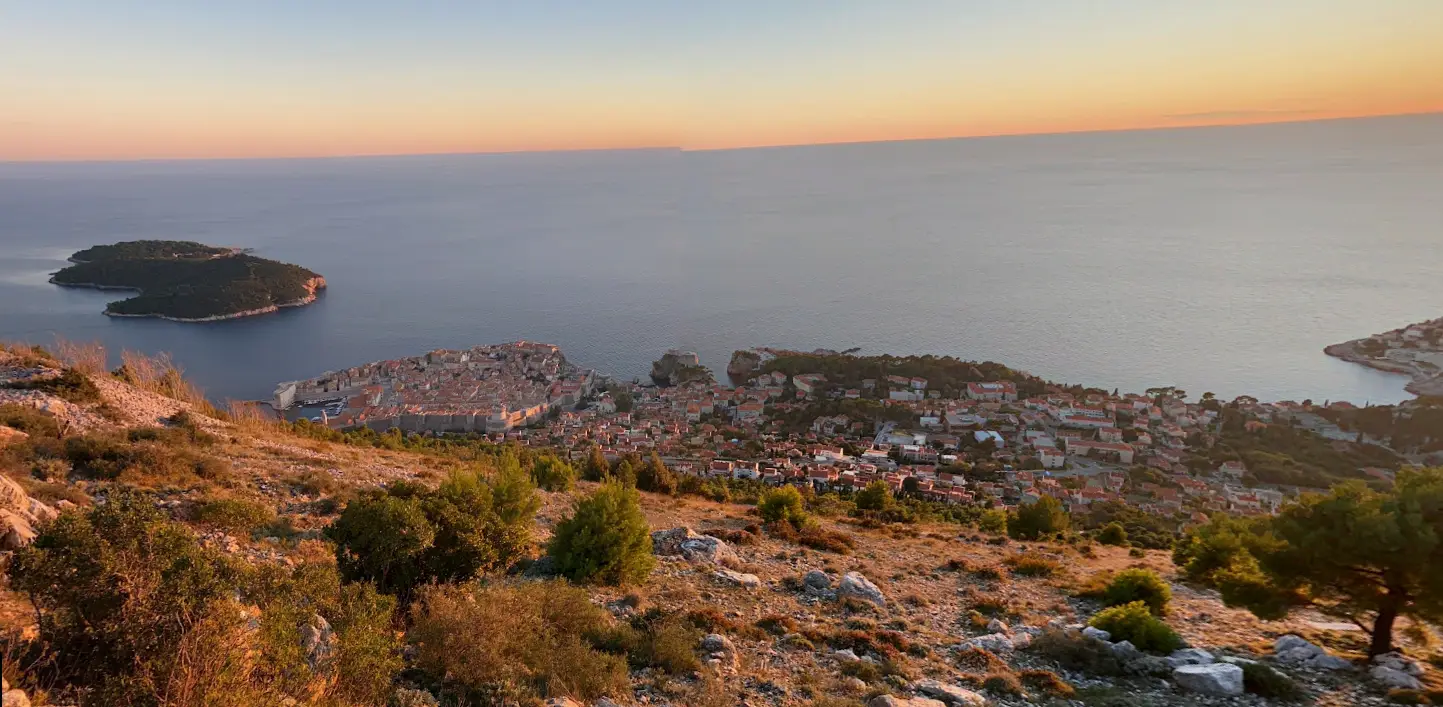
Dubrovnik, also known as the Pearl of the Adriatic, is one of the most beautiful historic cities in the Mediterranean and a UNESCO World Heritage site. Its impressive city walls guard the centuries-ol...
You might also be interested in

Croatia Worth Visiting: Historical, Natural, and Social Wonders of Europe’s Top Destination
When mentioning a country that combines a thousand-year history, incredible natural diversity, and a unique social lifestyle within a relatively small geographic space, Croatia rightfully stands at the very top of world tourism and transit maps. Located at the crossroads of Central Europe, the Mediterranean, and Southeast Europe, this country has been built over centuries as a bridge between different civilizations, cultures, and trade routes. Whether you are a passionate explorer of ancient ruins, a lover of untouched nature, a foodie in search of authentic flavors, or a traveler wanting to feel the relaxed Mediterranean spirit, Croatia offers an experience that goes beyond conventional tourism.

7 Attempts to Conquer and Subjugate Dubrovnik: From Medieval Wars to Great Serbian Aggression
Subscribe
The best stories about Croatia straight to your inbox every Sunday.