
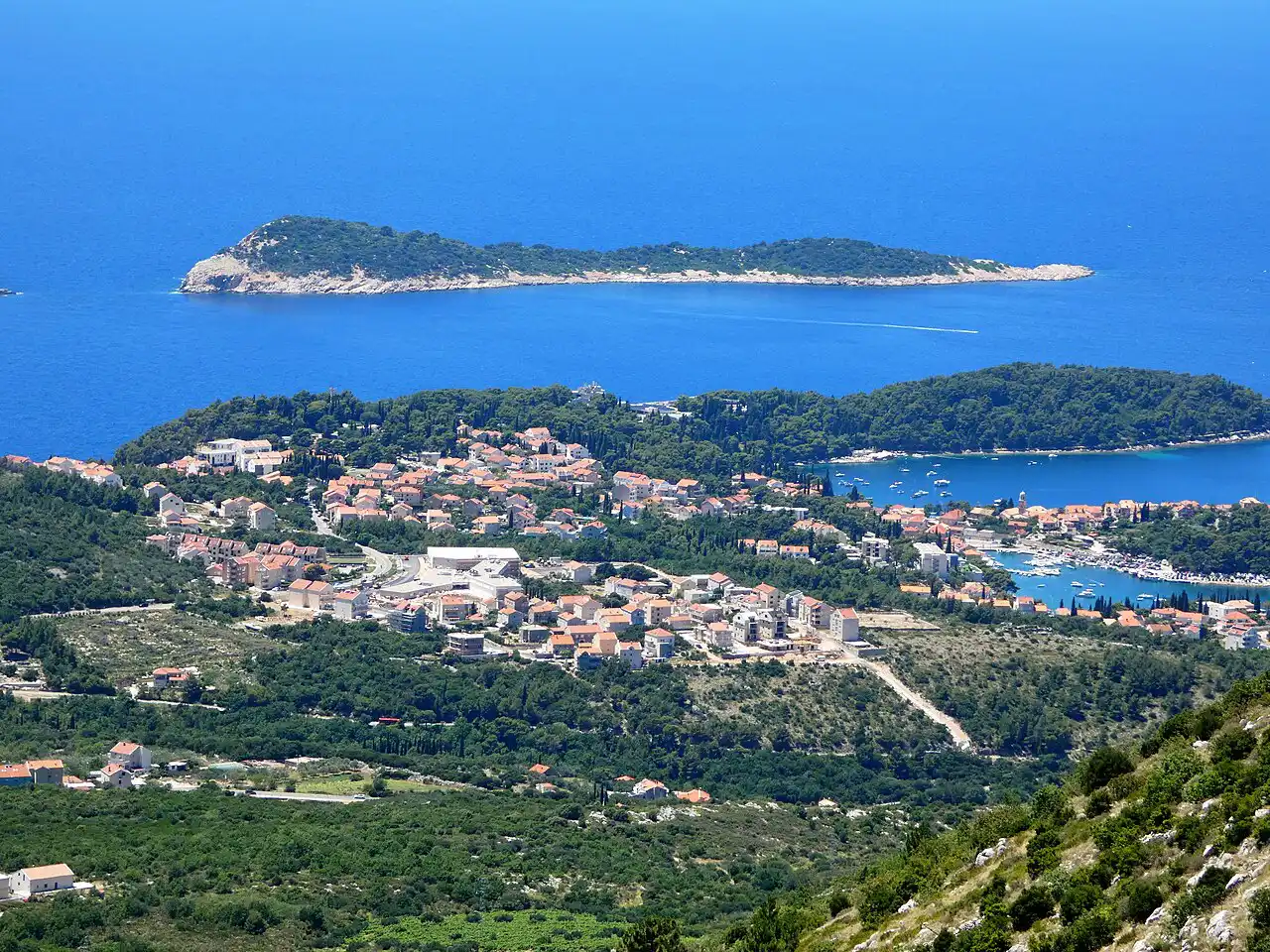
About Cavtat
Cavtat: The Ancient Heart of Konavle and a Mediterranean Pearl
Cavtat, a picturesque small town situated on the forested Rat peninsula, represents the center of the Konavle region and one of the most charming destinations in the extreme south of Croatia. Located just about twelve miles (twenty kilometers) from Dubrovnik, this heritage-rich town perfectly blends ancient history, Renaissance architecture, and a peaceful Mediterranean lifestyle.
Ancient Epidaurum and Early History The history of Cavtat goes deep into antiquity when the Greeks founded the colony of Epidauros in the area. It was later taken over by the Romans and transformed into an important trade and maritime center known as Epidaurum. The city flourished until the early 7th century when it was destroyed during the invasion of the Avars and Slavs. The surviving population fled north and found refuge on the rocky islet of Laus, laying the foundations for the creation of modern-day Dubrovnik. Because of this, Cavtat is often rightfully called the "mother of Dubrovnik." The current name Cavtat itself originates from the Latin phrase Civitas Vetus, meaning "old city."
The Era of the Republic of Ragusa In the Middle Ages, the Cavtat area changed rulers until the Republic of Ragusa (Dubrovnik Republic) finally purchased it in the 15th century, along with the entire Konavle region. Under Dubrovnik's administration, the town experienced a renaissance and urban development. Defensive walls, the Rector's Palace, the parish church of St. Nicholas, and the Franciscan monastery with the Church of Our Lady of the Snow were built. Cavtat became an important strategic and administrative center for the Republic on its southern borders, attracting sailors, merchants, and artisans.
Cultural Boom and Wartime Suffering In the late 19th and early 20th centuries, Cavtat became an important cultural hub. It is the birthplace of Vlaho Bukovac, one of the most prominent Croatian painters and the founder of Croatian modern painting, and the town attracted numerous intellectuals and artists. Like many places in the south, Cavtat endured difficult days during the Homeland War. In the fall of 1991, the town was occupied by the Yugoslav People's Army (JNA). Thanks to negotiations and international pressure, the historic core itself fortunately did not suffer the devastating destruction seen in Dubrovnik. Cavtat was finally liberated in October 1992, marking the beginning of a long recovery process and the return of its population.
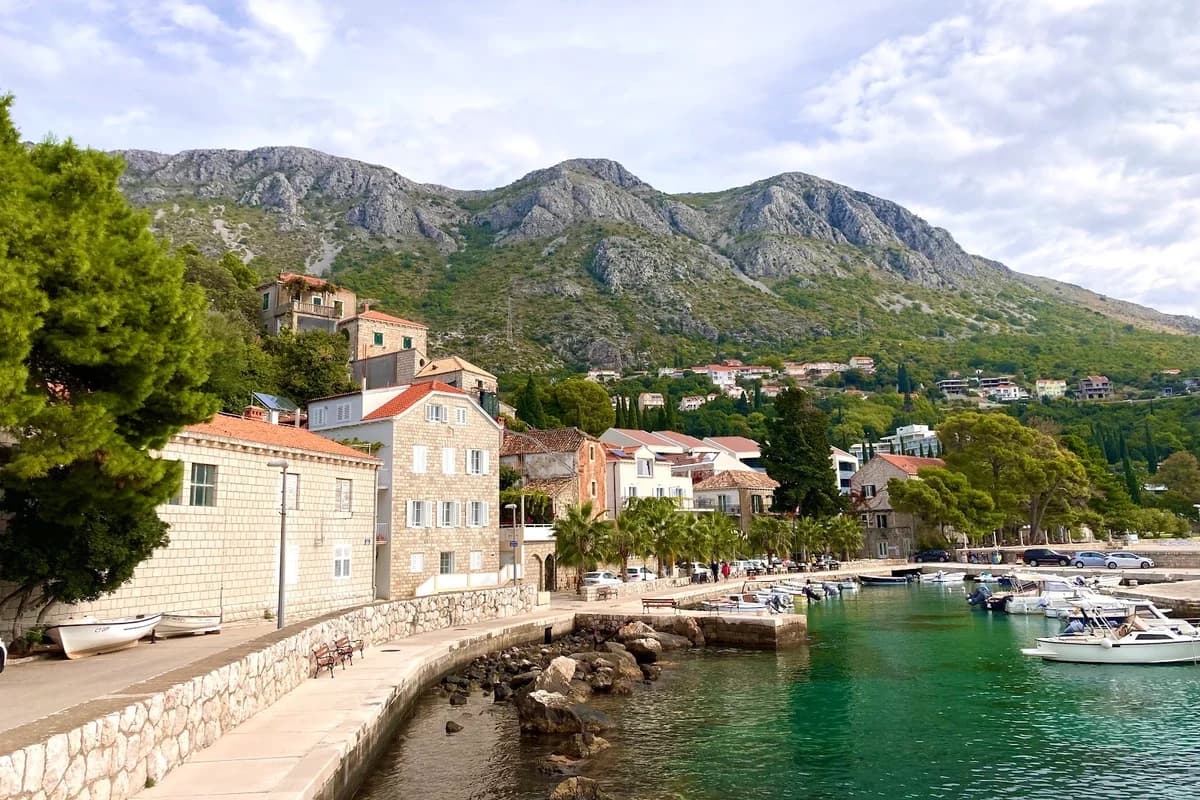
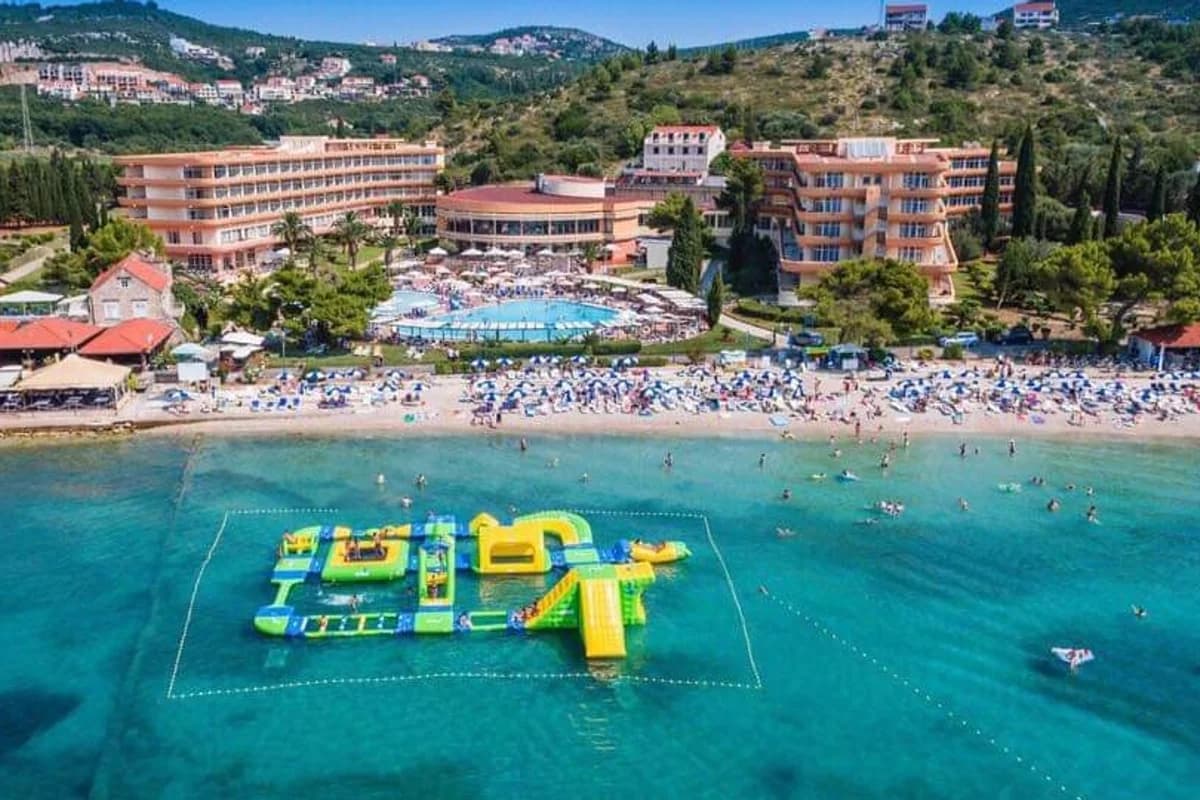
Cavtat Today Today, Cavtat is recognized as a quieter, yet exceptionally luxurious and culturally rich alternative to the crowds of Dubrovnik. It is known for its beautiful palm-lined coastal promenade, crystal-clear sea, and exclusive yachts that moor in its protected bay during the summer. The town has managed to retain the authentic spirit of a small Dalmatian fishing village while simultaneously providing top-tier tourist services, excellent hotels, and superb gastronomy.
Popular Locations in Cavtat
The Račić Family Mausoleum: A masterpiece by the famous Croatian sculptor Ivan Meštrović, located on the highest point of the peninsula (St. Roch's cemetery). It is built entirely of white Brač stone, without the use of wood or other materials, and is full of deep symbolism.
Bukovac House: The birthplace of painter Vlaho Bukovac, today transformed into a museum, studio, and gallery that preserves a portion of his impressive body of work, as well as early wall paintings from his childhood.
Rector's Palace: A 16th-century Renaissance building that now houses the valuable collection of Baltazar Bogišić, a renowned jurist and scientist. The collection includes rare books, graphics, and numismatics.
Church of St. Nicholas: A parish church right on the waterfront, known for its rich interior where some of Bukovac's works are kept.
Amenities in the Town
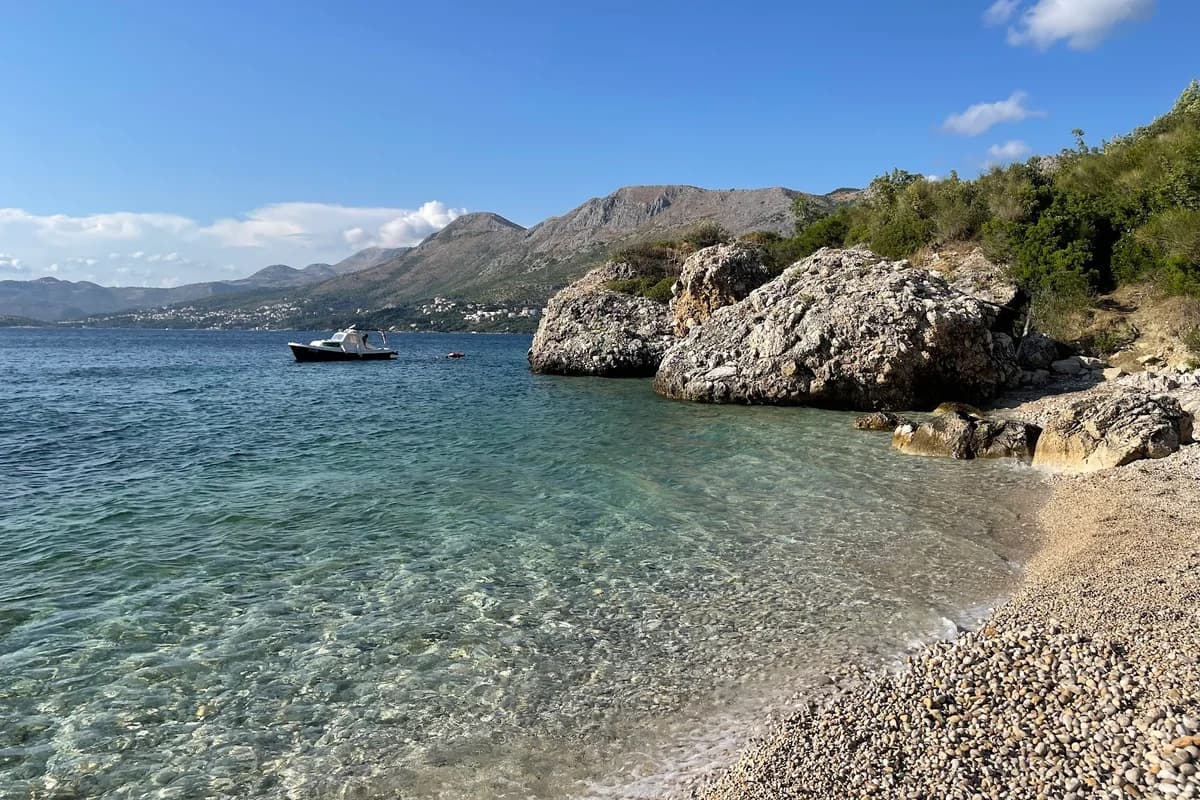
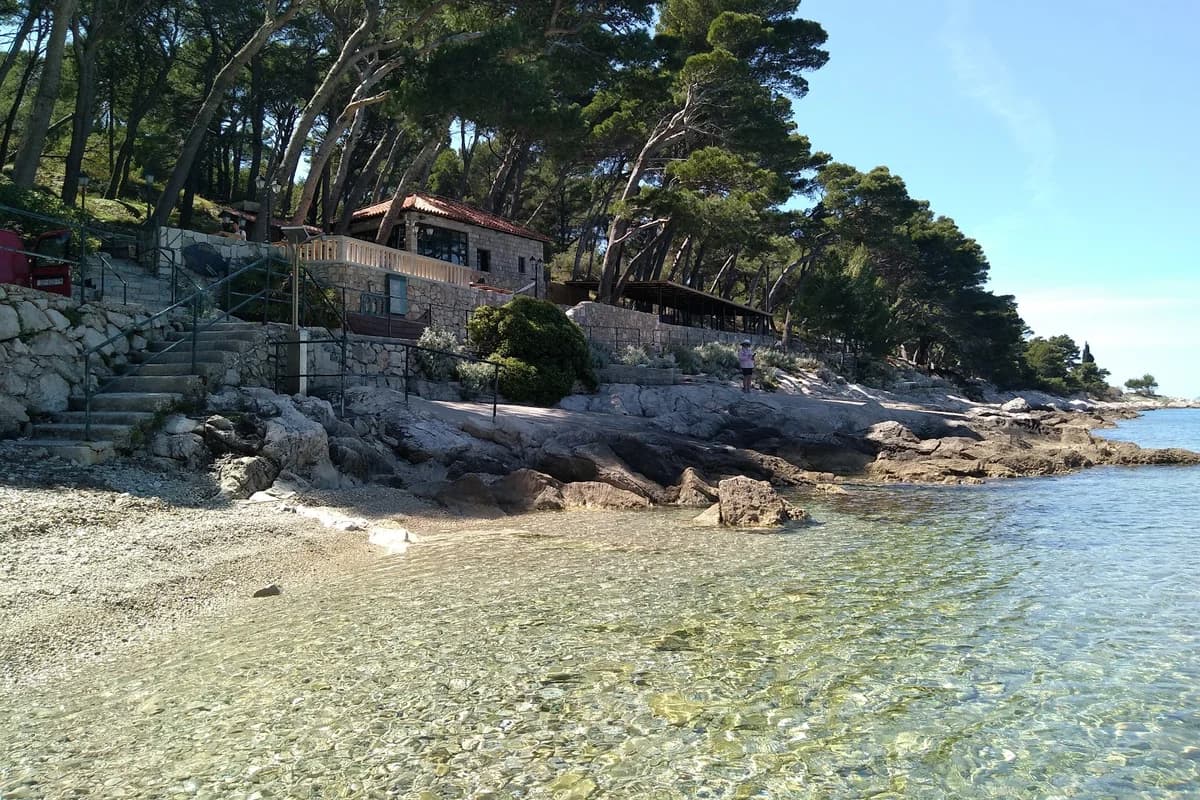
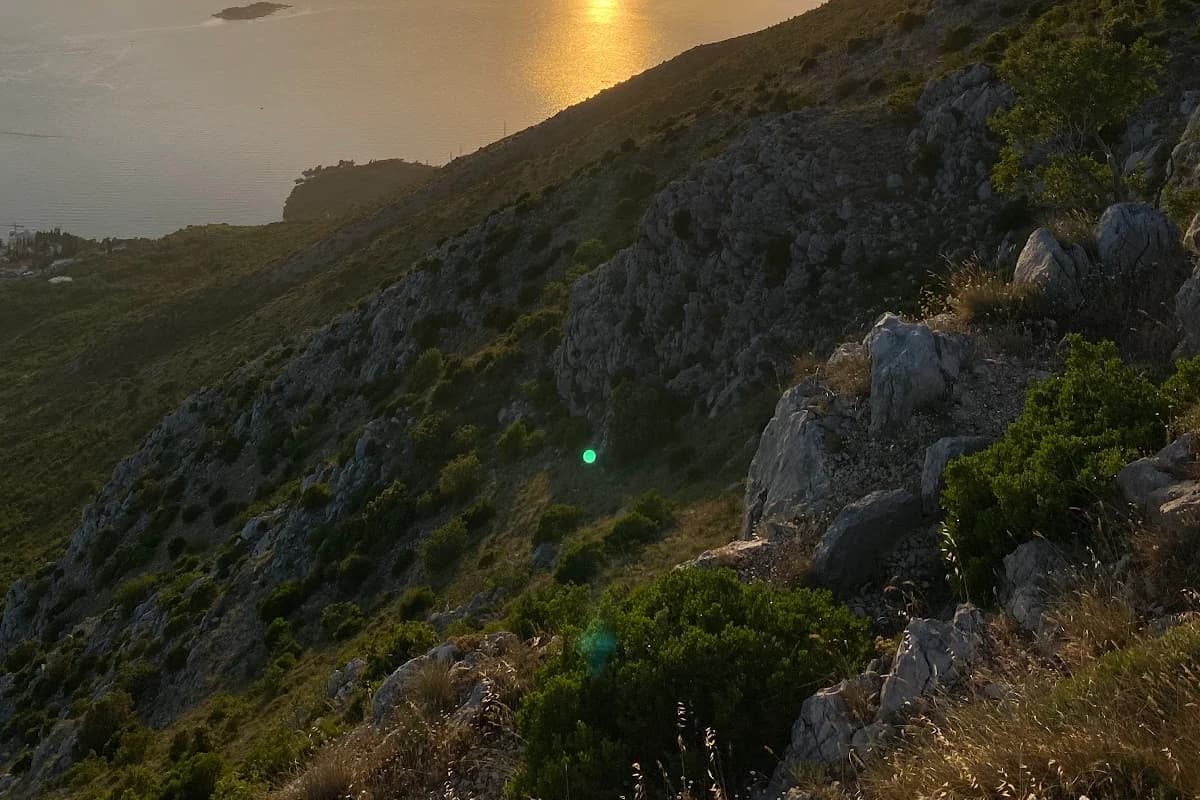
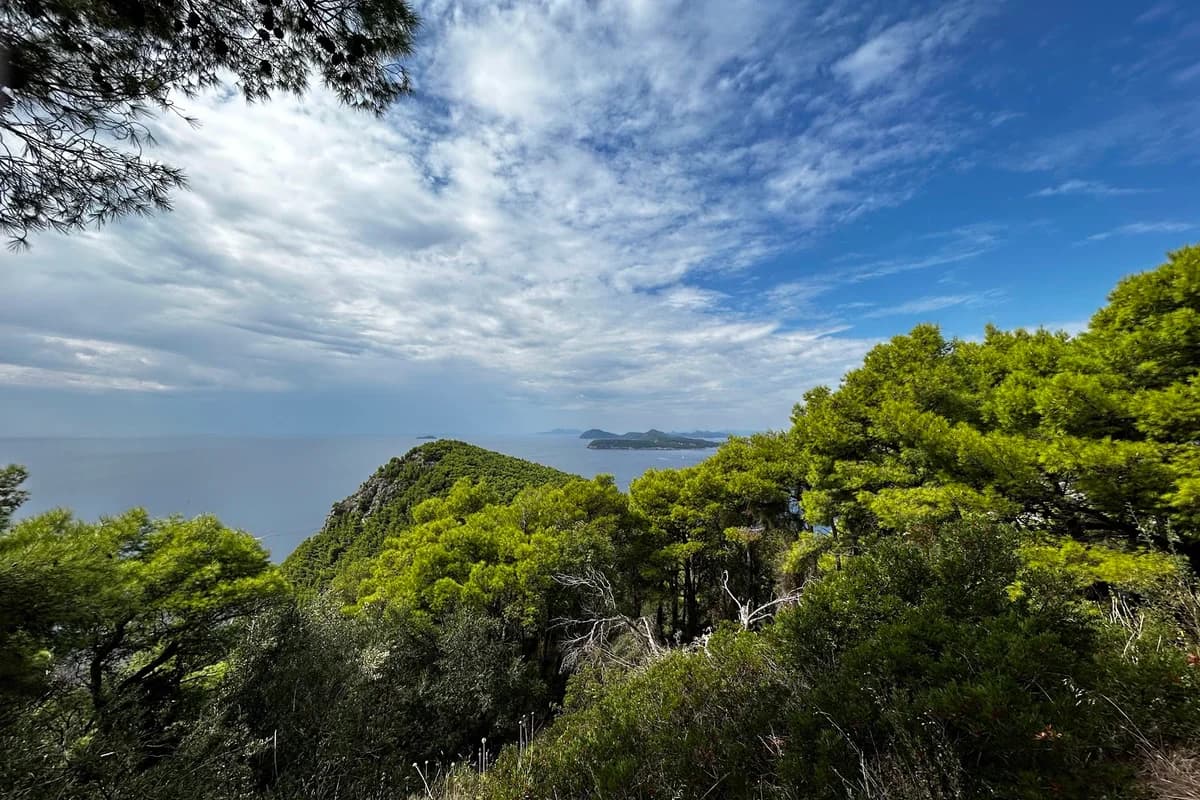
Promenades: The beautiful, dense pine forest on the Rat and Sustjepan peninsulas hides miles of maintained trails right by the sea, ideal for running, walking, and swimming at hidden rocky beaches.
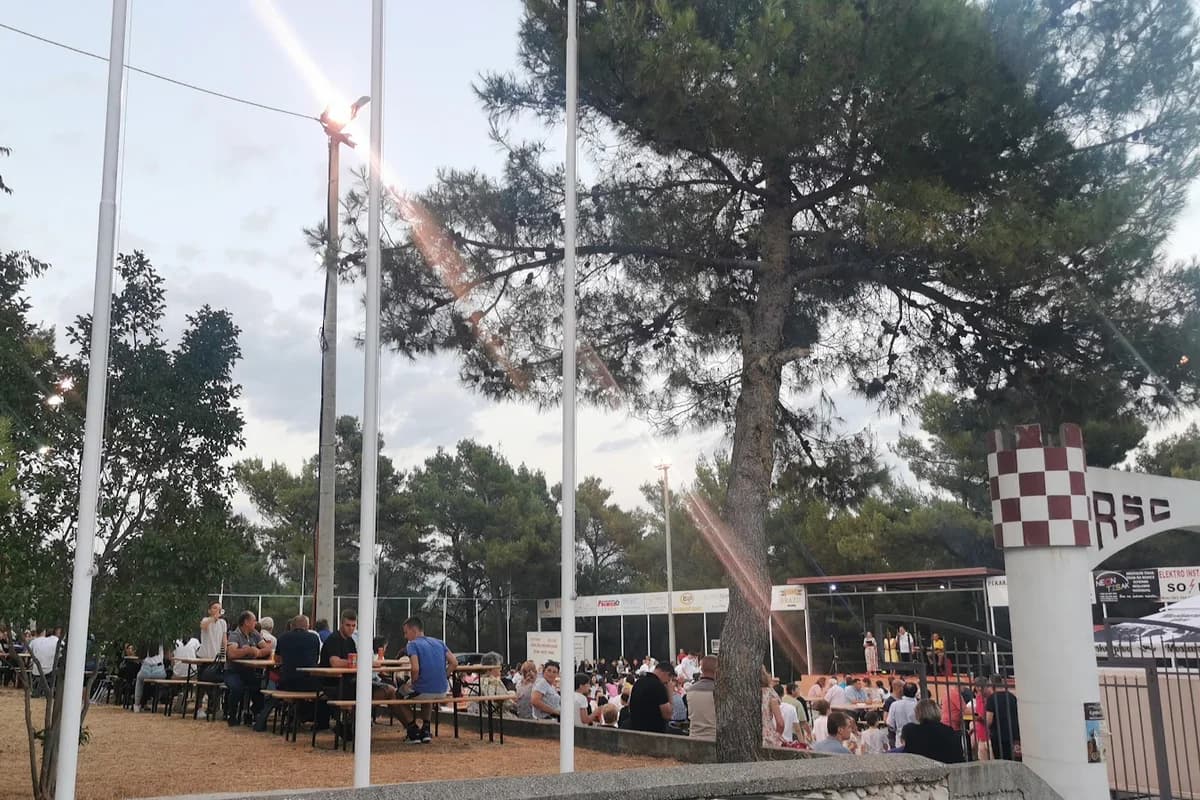
Dining: The Cavtat waterfront is packed with top-quality seafood restaurants, taverns (konobas), and cafes, perfect for relaxing at sunset while looking at the anchored boats.
Nautical and Transit Connections: The port provides safe mooring for luxury yachts and sailboats. The town is excellently connected to Dubrovnik by regular boat and bus lines, and it is located in the immediate vicinity of Dubrovnik Airport (Čilipi).
Population
2189
Mayor
N/A
Area code
N/A
Zip code
N/A
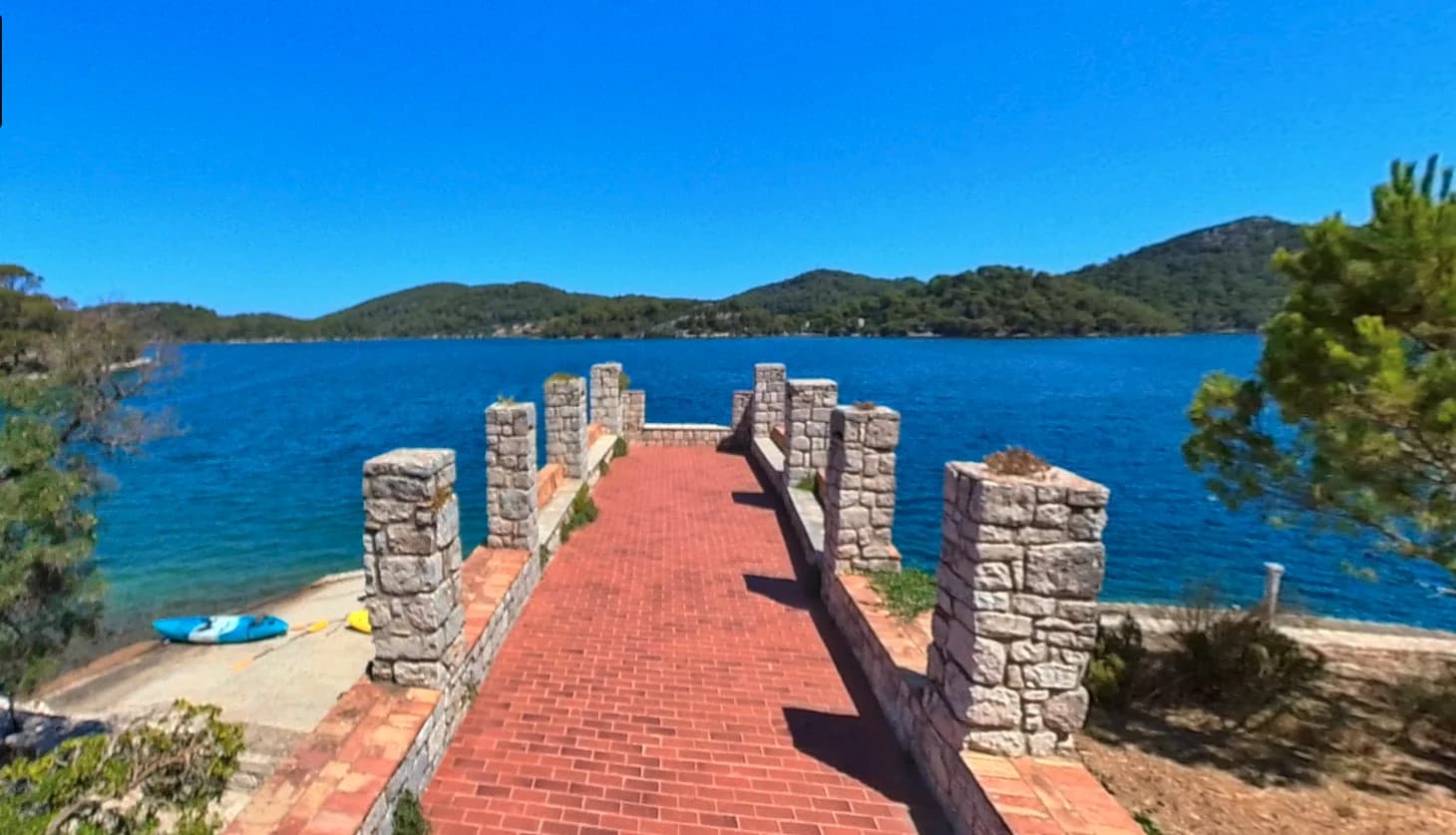
Nearby National Parks
Explore Top Categories
Discover the best places in Cavtat categorized for your convenience.
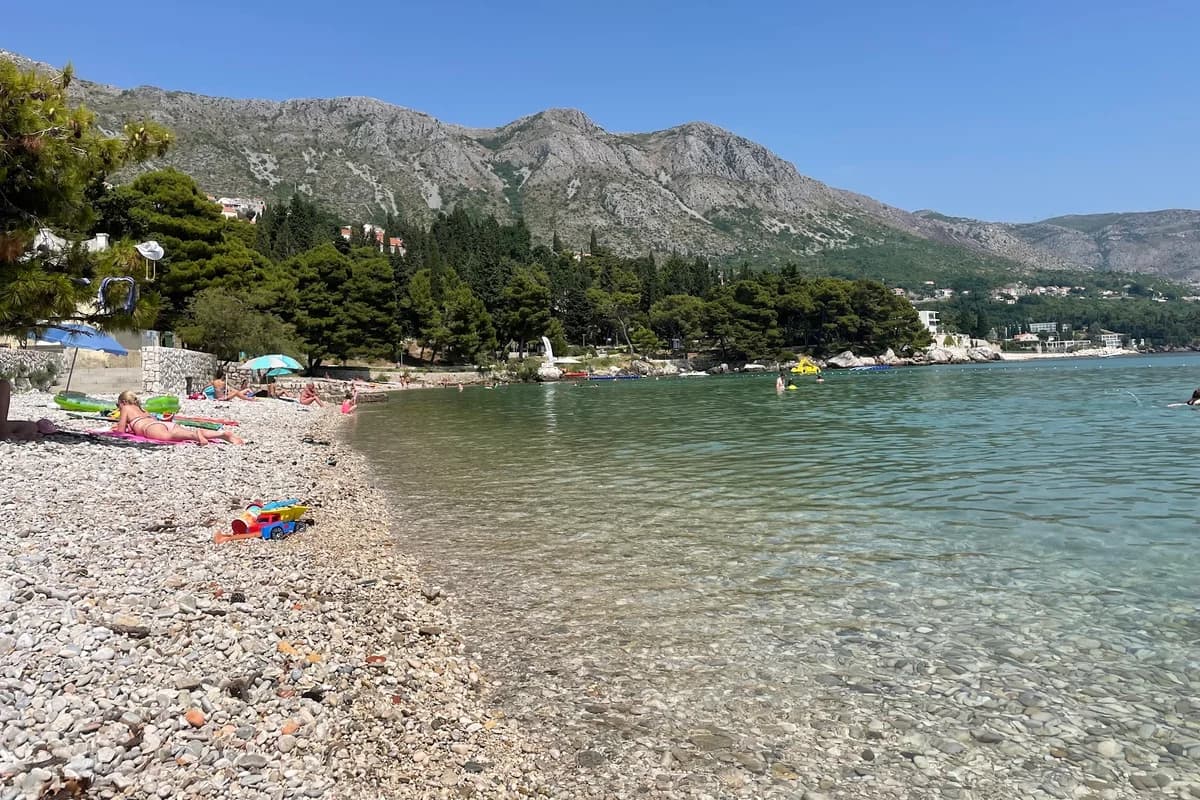
Weather & Sea Temperature — Cavtat
Real-time meteorological forecast, Adriatic sea temperature, wave height, and 7-day outlook for Cavtat.
Djelomično oblačno
Feels like 15°C
Waves: ~0.2 m
Svježe more, pogodno za aktivne plivače i vodene sportove.
Bura (SV)
Light breeze
7-Day Weather Outlook — Cavtat
Danas
Kiša
Subota
Oblačno
Nedjelja
Kiša
Ponedjeljak
Kiša
Utorak
Kiša
Srijeda
Djelomično oblačno
Četvrtak
Oblačno
Tourist & Visitor Tip for Cavtat
Ugodno vrijeme za razgledavanje kulturne baštine, šetnju prirodom i otkrivanje lokalne gastronomije.
Frequently Asked Questions
Useful information and guide details regarding Cavtat